
Imagine a world powered by the relentless flow of water, a force of nature harnessed to illuminate our homes and drive our industries. Hydropower, the energy derived from moving water, has long been touted as a clean alternative to fossil fuels. But is it truly a guilt-free energy source, or are there hidden costs lurking beneath the surface of those massive dams?
The conversation around hydropower often revolves around its potential to mitigate climate change. Yet, alongside this promise, there are concerns about environmental impact, displacement of communities, and the long-term effects on river ecosystems. Balancing the need for sustainable energy with the preservation of our natural resources is a complex equation.
This article aims to explore the role of hydropower dams in the clean energy landscape, examining both their benefits and drawbacks. We will delve into the science behind hydropower, consider its environmental consequences, and discuss its future in a world increasingly focused on sustainable energy solutions. We will also uncover some secrets, myths, and history that may change your point of view.
Hydropower dams represent a significant source of renewable energy, offering a low-carbon alternative to fossil fuels. However, their construction and operation can have substantial environmental and social consequences, including habitat destruction, altered river flows, and displacement of communities. Balancing the benefits of hydropower with these impacts is crucial for achieving truly sustainable energy solutions. Keywords: Hydropower, dams, clean energy, renewable energy, environmental impact, sustainability.
Hydropower: A Personal Reflection
The target is to discuss personal experiences with and insights on Hydropower Dams and their role in Clean Energy and related keywords.
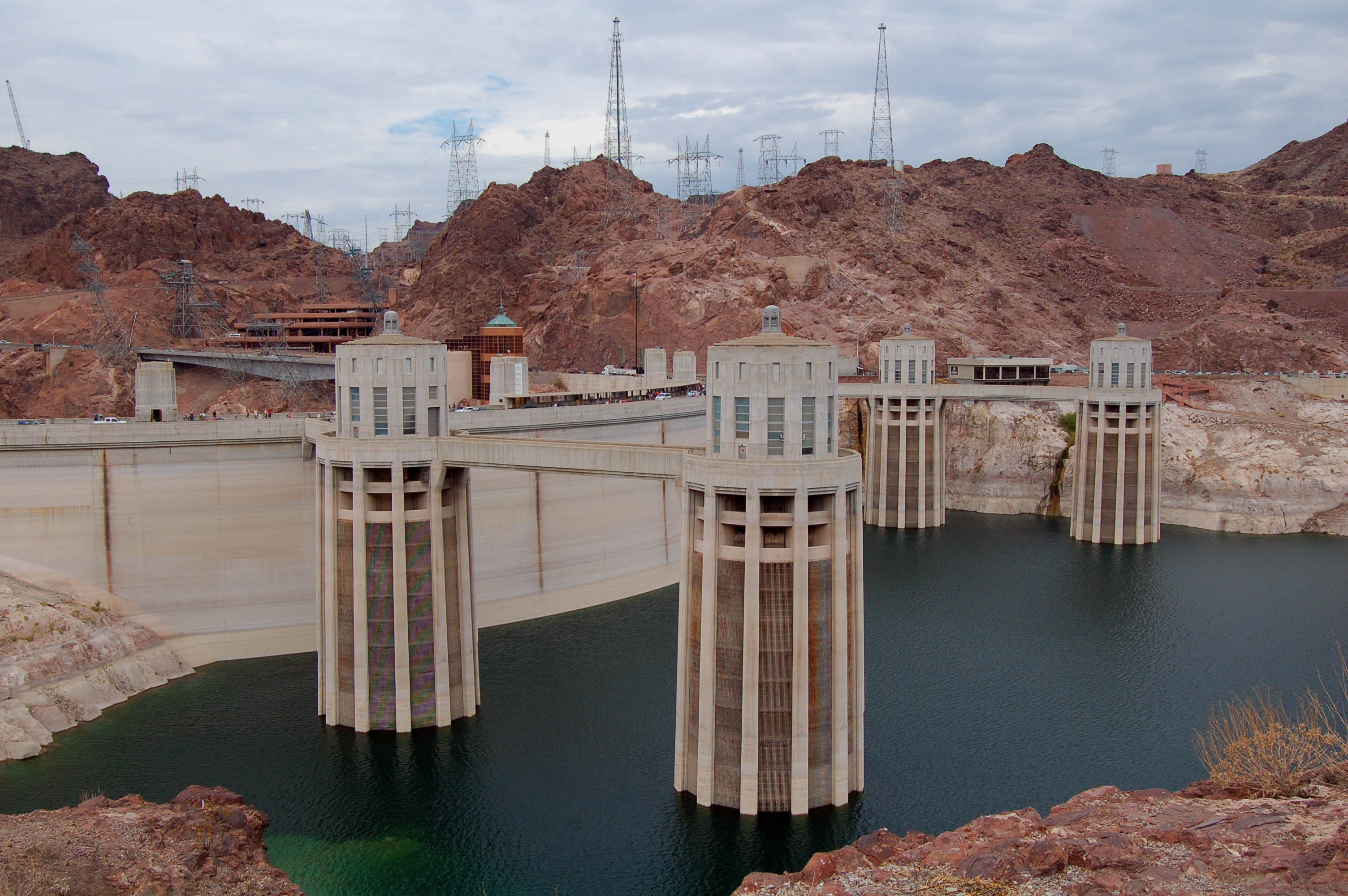
I remember visiting the Hoover Dam as a child. The sheer scale of the structure was awe-inspiring, a testament to human engineering prowess. Our guide spoke of the dam's contribution to the region, providing electricity and controlling the mighty Colorado River. I left that day feeling impressed and optimistic about the potential of hydropower. It seemed like a simple solution: harness the power of water for the good of humankind. As I grew older, I began to learn about the less celebrated aspects of hydropower. I read about the communities displaced by the dam's construction, the altered river ecosystems, and the potential for catastrophic failures. My initial enthusiasm was tempered by a growing awareness of the complexities involved. Hydropower is not a panacea for our energy needs, but it can play a role in a diverse energy portfolio. The key is to develop hydropower projects responsibly, considering the full range of environmental and social impacts. We need to prioritize projects that minimize these impacts, such as run-of-river hydropower, and invest in technologies that can mitigate the negative effects of existing dams, such as fish passages and improved water management strategies. Ultimately, the future of hydropower depends on our ability to balance the need for clean energy with the imperative to protect our natural environment and respect the rights of affected communities. The challenge is to find ways to harness the power of water without sacrificing the health of our rivers and the well-being of those who depend on them.
Understanding Hydropower
The target is to explore the understanding of Hydropower Dams and their role in Clean Energy and related keywords.
Hydropower, at its core, is a simple concept: convert the energy of moving water into electricity. Dams are typically constructed to create reservoirs, which store water and control its flow. When water is released from the reservoir, it flows through turbines, which spin generators that produce electricity. The amount of electricity generated depends on the volume of water and the height from which it falls (the head). There are several types of hydropower plants, including conventional dams, pumped storage hydropower, and run-of-river hydropower. Conventional dams, like the Hoover Dam, are the most common type. Pumped storage hydropower plants pump water from a lower reservoir to a higher reservoir during periods of low electricity demand and release it back down to generate electricity during periods of high demand. Run-of-river hydropower plants do not rely on large reservoirs and instead divert a portion of the river's flow through turbines. Each type of hydropower plant has its own advantages and disadvantages. Conventional dams can provide a reliable source of electricity and help with flood control and irrigation. However, they can also have significant environmental impacts. Pumped storage hydropower can help to balance the electricity grid and improve the reliability of renewable energy sources. Run-of-river hydropower has a smaller environmental footprint than conventional dams, but it is also more dependent on the natural flow of the river. The future of hydropower will likely involve a mix of these different types of plants, with a focus on projects that minimize environmental impacts and maximize the benefits of hydropower.
History and Myths of Hydropower
The target is to explore the history and myths of Hydropower Dams and their role in Clean Energy and related keywords.
The use of water power dates back to ancient times, with evidence of waterwheels being used for grinding grain and other tasks thousands of years ago. However, the modern era of hydropower began in the late 19th century with the development of electric generators and turbines. The first hydroelectric power plant was built in Appleton, Wisconsin, in 1882. The early 20th century saw a rapid expansion of hydropower development, particularly in the United States and Europe. Large dams were built on major rivers, providing electricity to growing cities and industries. The construction of these dams was often seen as a symbol of progress and technological achievement. However, the environmental and social impacts of these dams were not always fully considered. Myths surrounding hydropower often portray it as a completely clean and renewable energy source with no negative consequences. While hydropower is indeed a low-carbon energy source, it is not without its environmental impacts. Dams can block fish migration, alter river flows, and inundate valuable habitats. They can also displace communities and disrupt traditional ways of life. It's important to dispel these myths and recognize the complexities involved in hydropower development. We need to consider the full range of environmental and social impacts and strive to develop hydropower projects in a sustainable and responsible manner. This includes prioritizing projects that minimize environmental impacts, investing in technologies that can mitigate the negative effects of existing dams, and engaging with affected communities to ensure that their voices are heard.
The Hidden Secrets of Hydropower
The target is to explore the hidden secrets of Hydropower Dams and their role in Clean Energy and related keywords.
One of the lesser-known secrets of hydropower is the potential for greenhouse gas emissions from reservoirs. While hydropower itself does not produce greenhouse gases, the decomposition of organic matter in reservoirs can release methane, a potent greenhouse gas. The amount of methane released depends on factors such as the size and depth of the reservoir, the amount of organic matter present, and the water temperature. In some cases, reservoirs can emit more greenhouse gases than fossil fuel power plants. Another hidden secret is the impact of dams on sediment transport. Dams trap sediment, which can deprive downstream ecosystems of nutrients and lead to erosion of coastlines. This can have significant impacts on fisheries and other aquatic life. Dams can also alter water temperature and dissolved oxygen levels, which can affect the health of aquatic ecosystems. These hidden impacts of hydropower are often overlooked in discussions about clean energy. It's important to consider the full range of environmental impacts when evaluating the sustainability of hydropower. We need to invest in research to better understand these impacts and develop strategies to mitigate them. This includes developing reservoir management strategies that minimize methane emissions, restoring sediment transport to downstream ecosystems, and improving water quality. By addressing these hidden impacts, we can ensure that hydropower is truly a sustainable energy source.
Recommendations for Hydropower
The target is to explore the recommendations for Hydropower Dams and their role in Clean Energy and related keywords.
My main recommendation for hydropower is to prioritize sustainability. This means considering the full range of environmental and social impacts when developing new hydropower projects and operating existing dams. We need to move away from the "big dam" approach and focus on smaller, more environmentally friendly hydropower projects, such as run-of-river hydropower. We also need to invest in technologies that can mitigate the negative effects of existing dams, such as fish passages, improved water management strategies, and reservoir management techniques that minimize methane emissions. Another recommendation is to improve transparency and stakeholder engagement. Hydropower development should not be done behind closed doors. Affected communities should be involved in the decision-making process and have access to information about the potential impacts of hydropower projects. We also need to develop clear and consistent regulations for hydropower development that protect the environment and ensure that affected communities are treated fairly. Finally, we need to invest in research and development to improve the efficiency and sustainability of hydropower technology. This includes developing new turbine designs that are less harmful to fish, improving reservoir management techniques, and exploring the potential of pumped storage hydropower to balance the electricity grid and improve the reliability of renewable energy sources. By following these recommendations, we can ensure that hydropower plays a positive role in the clean energy transition.
The Future of Hydropower
The target is to explore in more detail, The Future of Hydropower Dams and their role in Clean Energy and related keywords.
The future of hydropower is likely to be characterized by a greater focus on sustainability and a more diverse range of hydropower technologies. Traditional large dams will likely continue to play a role in electricity generation, but there will be a growing emphasis on smaller, more environmentally friendly hydropower projects, such as run-of-river hydropower and pumped storage hydropower. Run-of-river hydropower diverts a portion of the river's flow through turbines without relying on large reservoirs, minimizing environmental impacts. Pumped storage hydropower pumps water from a lower reservoir to a higher reservoir during periods of low electricity demand and releases it back down to generate electricity during periods of high demand, helping to balance the electricity grid and improve the reliability of renewable energy sources. Another trend is the modernization of existing hydropower plants. Many existing dams are aging and in need of upgrades. Modernizing these plants can improve their efficiency, reduce their environmental impacts, and extend their lifespan. This can also involve installing new technologies, such as fish passages, to mitigate the negative effects of dams on aquatic life. In addition, there is growing interest in developing hydropower in developing countries. Many developing countries have significant hydropower potential, but they lack the resources and expertise to develop these resources sustainably. International cooperation and technology transfer can play a crucial role in helping developing countries to develop their hydropower resources in a responsible manner. The future of hydropower will depend on our ability to balance the need for clean energy with the imperative to protect our natural environment and respect the rights of affected communities. This requires a holistic approach that considers the full range of environmental, social, and economic impacts of hydropower.
Tips for Sustainable Hydropower
The target is to share tips about Sustainable Hydropower Dams and their role in Clean Energy and related keywords.
Here are some tips for promoting sustainable hydropower development: 1. Prioritize environmental impact assessments: Conduct thorough environmental impact assessments before building any new hydropower project. These assessments should consider the full range of potential impacts, including impacts on aquatic ecosystems, water quality, and local communities.
2. Engage with affected communities: Involve affected communities in the decision-making process from the beginning. Ensure that they have access to information about the project and that their voices are heard.
3. Choose appropriate technologies: Select hydropower technologies that minimize environmental impacts. Run-of-river hydropower, for example, has a smaller environmental footprint than conventional dams.
4. Mitigate environmental impacts: Implement measures to mitigate the negative impacts of hydropower projects. This can include building fish passages, restoring sediment transport to downstream ecosystems, and improving water quality.
5. Monitor and evaluate: Monitor the environmental and social impacts of hydropower projects after they are built. This will help to identify any unforeseen problems and to implement corrective measures.
6. Invest in research and development: Support research and development to improve the efficiency and sustainability of hydropower technology. This can include developing new turbine designs that are less harmful to fish, improving reservoir management techniques, and exploring the potential of pumped storage hydropower.
7. Promote international cooperation: Encourage international cooperation and technology transfer to help developing countries develop their hydropower resources sustainably. By following these tips, we can ensure that hydropower plays a positive role in the clean energy transition and that it is developed in a way that protects the environment and respects the rights of affected communities.
The Role of Innovation
The target is to discuss the role of Innovation for Hydropower Dams and their role in Clean Energy and related keywords.
Innovation is essential for making hydropower more sustainable and efficient. One area of innovation is in turbine design. Traditional turbines can be harmful to fish, but new turbine designs are being developed that are less likely to injure or kill fish. These designs include Kaplan turbines with modified blade shapes and fish-friendly turbines that allow fish to pass through them safely. Another area of innovation is in reservoir management. Traditional reservoir management practices can lead to methane emissions and other environmental problems. New reservoir management techniques are being developed that can reduce methane emissions, improve water quality, and restore sediment transport to downstream ecosystems. These techniques include aeration, destratification, and selective withdrawal. Innovation is also needed in the area of pumped storage hydropower. Pumped storage hydropower can help to balance the electricity grid and improve the reliability of renewable energy sources. However, traditional pumped storage hydropower plants can have significant environmental impacts. New pumped storage hydropower designs are being developed that are less environmentally harmful. These designs include closed-loop pumped storage hydropower, which uses off-stream reservoirs to minimize impacts on aquatic ecosystems. In addition, there is growing interest in developing pumped storage hydropower in abandoned mines and other industrial sites. This can help to reduce the environmental footprint of pumped storage hydropower and to revitalize these sites. By investing in innovation, we can make hydropower more sustainable and efficient and ensure that it plays a positive role in the clean energy transition.
Fun Facts About Hydropower
The target is to share Fun Facts about Hydropower Dams and their role in Clean Energy and related keywords.
Here are some fun facts about hydropower: 1. The world's largest hydropower plant is the Three Gorges Dam in China. It has a capacity of 22,500 megawatts, enough to power millions of homes.
2. Hydropower is the most widely used renewable energy source in the world. It accounts for about 16% of global electricity generation.
3. The first hydroelectric power plant in the United States was built in Appleton, Wisconsin, in
1882. It powered two paper mills and a home.
4. Some hydropower plants can start generating electricity in just a few minutes. This makes them ideal for meeting peak electricity demand.
5. Hydropower dams can also be used for flood control, irrigation, and recreation.
6. The Hoover Dam, one of the most iconic dams in the world, was built during the Great Depression. It provided jobs for thousands of people.
7. Some hydropower plants are located underground. This helps to protect them from the elements and to minimize their environmental impact.
8. Fish ladders are used to help fish migrate past hydropower dams. These ladders provide a series of steps that fish can use to swim upstream.
9. Hydropower is a clean energy source, but it is not without its environmental impacts. Dams can alter river flows, block fish migration, and inundate valuable habitats.
10. The future of hydropower is likely to be characterized by a greater focus on sustainability and a more diverse range of hydropower technologies. These fun facts highlight the important role that hydropower plays in our energy system and the many ways that it can be used to benefit society.
How to Support Responsible Hydropower
The target is to explain how to support Responsible Hydropower Dams and their role in Clean Energy and related keywords.
Supporting responsible hydropower involves making informed choices and advocating for sustainable practices. As a consumer, you can support companies that prioritize renewable energy sources, including hydropower, from facilities that adhere to strong environmental standards. Look for certifications that indicate responsible hydropower practices. You can also advocate for policies that promote sustainable hydropower development. This includes supporting policies that require thorough environmental impact assessments, engage affected communities in the decision-making process, and mitigate the negative impacts of hydropower projects. You can also support organizations that are working to promote sustainable hydropower practices. These organizations are working to develop new technologies and management strategies that can reduce the environmental impacts of hydropower. Furthermore, you can educate yourself and others about the complexities of hydropower. By understanding the benefits and drawbacks of hydropower, you can make informed decisions about how to support responsible hydropower development. Responsible hydropower development requires a holistic approach that considers the full range of environmental, social, and economic impacts. By supporting responsible hydropower, you can help to ensure that hydropower plays a positive role in the clean energy transition. This means choosing energy providers that prioritize sustainability, advocating for responsible policies, supporting organizations that promote sustainable practices, and educating yourself and others about the complexities of hydropower.
What If Hydropower Disappears?
The target is to explain what if Hydropower Dams and their role in Clean Energy disappears and related keywords.
If hydropower were to disappear entirely, the consequences would be significant and far-reaching. One of the most immediate impacts would be a reduction in electricity generation. Hydropower is a major source of electricity in many parts of the world, and its disappearance would lead to a significant shortfall in electricity supply. This could lead to power outages, higher electricity prices, and disruptions to industries that rely on electricity. Another consequence would be an increase in greenhouse gas emissions. If hydropower were no longer available, other sources of electricity, such as fossil fuels, would need to be used to make up the shortfall. This would lead to an increase in greenhouse gas emissions and contribute to climate change. The disappearance of hydropower would also have significant impacts on water management. Hydropower dams are often used for flood control, irrigation, and water supply. If these dams were no longer available, it could lead to increased flooding, water shortages, and disruptions to agriculture. In addition, the disappearance of hydropower would have significant impacts on aquatic ecosystems. Dams can alter river flows, block fish migration, and inundate valuable habitats. If these dams were removed, it could lead to the restoration of these ecosystems, but it could also lead to the loss of valuable hydropower resources. The disappearance of hydropower is unlikely to happen, but it is important to consider the potential consequences. This highlights the importance of developing sustainable hydropower practices that minimize environmental impacts and ensure that hydropower can continue to play a positive role in our energy system.
Listicle: Top Benefits and Challenges of Hydropower
The target is to expalin listicle of Hydropower Dams and their role in Clean Energy and related keywords.
Here's a listicle outlining the top benefits and challenges of hydropower: Top Benefits of Hydropower: 1. Renewable Energy Source: Hydropower is a renewable energy source that relies on the natural flow of water.
2. Low Greenhouse Gas Emissions: Hydropower produces very low greenhouse gas emissions compared to fossil fuels.
3. Reliable Electricity Generation: Hydropower plants can provide a reliable source of electricity, even during periods of high demand.
4. Flood Control: Hydropower dams can be used to control floods and protect downstream communities.
5. Irrigation: Hydropower dams can provide water for irrigation, which is essential for agriculture.
6. Water Supply: Hydropower dams can provide a reliable source of water for drinking and other uses.
7. Recreation: Hydropower reservoirs can be used for recreation, such as boating, fishing, and swimming. Top Challenges of Hydropower:
1. Environmental Impacts: Hydropower dams can have significant environmental impacts, such as altering river flows, blocking fish migration, and inundating valuable habitats.
2. Social Impacts: Hydropower dams can displace communities and disrupt traditional ways of life.
3. High Upfront Costs: Hydropower projects can have high upfront costs, which can make them difficult to finance.
4. Drought Risk: Hydropower generation can be affected by droughts, which can reduce the amount of water available for electricity generation.
5. Sedimentation: Hydropower dams can trap sediment, which can reduce the lifespan of the dam and affect downstream ecosystems.
6. Methane Emissions: Hydropower reservoirs can emit methane, a potent greenhouse gas.
7. Dam Safety: Dam safety is a major concern, as dam failures can lead to catastrophic flooding. This listicle provides a concise overview of the key benefits and challenges of hydropower. By understanding these factors, we can make informed decisions about how to develop hydropower in a sustainable and responsible manner.
Question and Answer about Hydropower
Q1: Is hydropower truly a clean energy source? A1: While hydropower doesn't directly emit greenhouse gases during electricity generation, the construction of dams can have environmental impacts. Reservoirs can also release methane, a potent greenhouse gas, and disrupt aquatic ecosystems. So, it's a low-carbon, but not entirely "clean," energy source.
Q2: What are the main environmental concerns associated with hydropower dams? A2: The primary concerns include habitat destruction, altered river flows affecting aquatic life, blocking fish migration, and potential methane emissions from reservoirs. Additionally, the displacement of communities during dam construction is a significant social concern.
Q3: How can we make hydropower more sustainable? A3: Sustainable hydropower involves conducting thorough environmental impact assessments, engaging with affected communities, choosing appropriate technologies (like run-of-river systems), implementing mitigation measures, and investing in research and development for fish-friendly turbines and improved reservoir management.
Q4: What is the future of hydropower? A4: The future of hydropower lies in a greater focus on sustainability and a diverse range of technologies. This includes smaller, environmentally friendly projects, modernization of existing plants, and international cooperation to help developing countries develop their hydropower resources sustainably.
Conclusion of Hydropower
Hydropower dams, with their ability to harness the power of flowing water, stand as a significant contributor to the global clean energy mix. They offer a low-carbon alternative to fossil fuels and provide a reliable source of electricity. However, the environmental and social impacts associated with their construction and operation cannot be ignored. Striking a balance between the benefits of hydropower and the imperative to protect our natural resources and communities is essential. By embracing innovation, implementing sustainable practices, and engaging in open dialogue, we can work towards a future where hydropower plays a responsible and beneficial role in meeting our energy needs.