
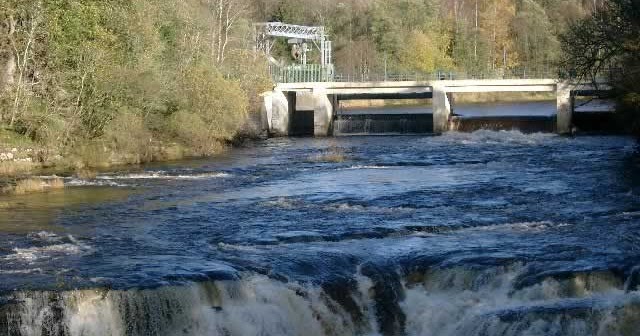
Imagine a world powered by the relentless flow of water – clean, sustainable, and constantly replenished. Sounds like a utopian dream, right? But hydropower is making that dream a reality, offering a compelling alternative to traditional energy sources.
Many of us are grappling with increasing electricity bills and worrying about the environmental impact of fossil fuels. We're constantly searching for energy solutions that are both cost-effective and eco-friendly. The challenge is finding reliable sources that can meet our growing energy demands without further harming the planet.
Hydropower boasts several key advantages over other energy sources. Firstly, it's a renewable resource – water is constantly replenished through the natural water cycle. Secondly, it's a relatively clean source of energy, producing little to no greenhouse gas emissions during operation. Thirdly, hydropower plants can offer flood control and water management benefits, contributing to overall water resource management. Finally, hydropower can be a reliable energy source, especially when combined with other renewable energy sources and energy storage solutions.
In essence, hydropower offers a renewable, relatively clean, and reliable energy solution with additional benefits like flood control. Compared to fossil fuels, it reduces greenhouse gas emissions. Compared to solar and wind, it can often provide a more consistent energy output. Compared to nuclear, it avoids the issues of radioactive waste. This combination of benefits makes hydropower a valuable component of a diversified energy portfolio.
Cost-Effectiveness of Hydropower
I remember visiting the Hoover Dam as a kid. Standing there, looking at that massive structure holding back the Colorado River, I was awestruck. It wasn't just the scale of the engineering marvel that impressed me; it was the understanding that this dam was producing electricity for millions of people, and had been doing so for decades. That experience definitely sparked an interest in how hydropower works.
One of the most significant advantages of hydropower is its long-term cost-effectiveness. While the initial investment in building a hydropower plant can be substantial, the operational costs are relatively low. The fuel – water – is free! This contrasts sharply with fossil fuel power plants, which are subject to fluctuating fuel prices, or nuclear power plants which have high fuel processing and waste disposal costs. The longevity of hydropower plants further enhances their cost-effectiveness. Many plants have been operating for 50 years or more, providing a consistent and affordable source of electricity. Moreover, hydropower can generate revenue through recreational opportunities, such as fishing and boating, adding to its overall economic benefits. This makes it a sound investment for the long term, contributing to stable energy prices for consumers and supporting local economies. Also, with technology improvements, pumped storage hydropower has been added which offers higher efficiencies in storing and generating power.
Environmental Benefits of Hydropower
Beyond cost, hydropower has significant environmental advantages. Compared to fossil fuels, hydropower emits minimal greenhouse gases during operation. While there can be some emissions during the construction phase and from the decomposition of organic matter in reservoirs, these are significantly lower than those associated with coal, oil, or natural gas. Hydropower also avoids the air pollution associated with burning fossil fuels, reducing respiratory illnesses and other health problems. Furthermore, it does not produce the radioactive waste associated with nuclear power. The water resource itself is a renewable resource, constantly replenished by rainfall and snowmelt.
However, it's important to acknowledge that hydropower isn't without its environmental impacts. Building dams can alter river ecosystems, affecting fish migration and habitat. Careful planning and mitigation measures are crucial to minimize these impacts. Fish ladders, for example, can help fish bypass dams, while selective water releases can mimic natural flow patterns. Modern hydropower plants are often designed with environmental considerations in mind, incorporating features to protect aquatic life and minimize ecological disruption. Ongoing research and technological advancements are also leading to more sustainable hydropower practices. This constant search for ways to minimize environmental impact shows the industry is focused on making hydropower as eco-friendly as possible, balancing energy needs with the health of our rivers and ecosystems.
Hydropower: A Historical Perspective
The use of hydropower is not a new phenomenon; it has a long and rich history. Ancient civilizations used water wheels to grind grain and power other mechanical processes. The Romans, for example, used watermills extensively. However, it was the development of the hydroelectric generator in the late 19th century that truly revolutionized hydropower. The first hydroelectric power plant was built in 1882 on the Fox River in Appleton, Wisconsin. This marked the beginning of a new era in energy production.
Hydropower played a crucial role in the electrification of the United States and other countries. Dams like the Hoover Dam and the Grand Coulee Dam became symbols of progress and technological achievement. These massive projects provided electricity for millions of people and fueled economic growth. Today, hydropower remains a significant source of electricity worldwide, accounting for a substantial portion of renewable energy generation. The history of hydropower is a testament to human ingenuity and our ability to harness the power of nature for the benefit of society. As technology continues to advance, hydropower will likely play an increasingly important role in meeting our future energy needs. The lessons learned from past successes and challenges will guide the development of more sustainable and environmentally responsible hydropower practices.
Unlocking the Potential: The Future of Hydropower
The future of hydropower lies in innovation and sustainability. One promising area is the development of pumped storage hydropower. This technology uses excess electricity from other sources, such as solar and wind, to pump water uphill to a reservoir. When electricity demand is high, the water is released, generating power. Pumped storage hydropower can act as a giant battery, helping to balance the grid and integrate intermittent renewable energy sources.
Another area of focus is the modernization of existing hydropower plants. Many older plants can be upgraded with more efficient turbines and generators, increasing their power output and reducing their environmental impact. Furthermore, research is underway to develop new types of hydropower technology, such as run-of-river hydropower, which minimizes the impact on river ecosystems. These innovative approaches are paving the way for a more sustainable and efficient hydropower industry. By embracing technology and prioritizing environmental stewardship, we can unlock the full potential of hydropower to provide clean, reliable, and affordable energy for generations to come. The key is to find the right balance between energy production and environmental protection, ensuring that hydropower contributes to a sustainable energy future.
Making the Most of Hydropower: Expert Recommendations
For policymakers and energy planners, integrating hydropower effectively into the energy mix requires a holistic approach. This includes considering the environmental, economic, and social impacts of hydropower projects. Comprehensive environmental impact assessments are essential to identify and mitigate potential risks to aquatic ecosystems. Collaboration with local communities is also crucial to ensure that hydropower projects benefit everyone.
From an investment perspective, hydropower offers a stable and reliable long-term return. However, it's important to carefully assess the project's viability, considering factors such as water availability, regulatory requirements, and market conditions. Diversifying the energy portfolio with other renewable energy sources, such as solar and wind, can further enhance energy security and reduce reliance on any single source. Hydropower can be a valuable component of a diversified energy portfolio, providing a stable base load of electricity while complementing other renewable energy sources. By carefully planning and managing hydropower projects, we can maximize their benefits and minimize their potential drawbacks, creating a more sustainable and resilient energy system.
Balancing Environmental Concerns with Energy Needs
While hydropower offers numerous advantages, it's crucial to address the environmental concerns associated with dam construction. Alterations to river ecosystems, impacts on fish migration, and changes in water quality are all potential consequences. However, with careful planning and mitigation measures, these impacts can be minimized. Fish ladders and other fish passage technologies can help fish bypass dams, while selective water releases can mimic natural flow patterns, preserving river ecosystems. Modern hydropower plants are often designed with environmental considerations in mind, incorporating features to protect aquatic life and minimize ecological disruption. Furthermore, ongoing research and technological advancements are leading to more sustainable hydropower practices. The goal is to strike a balance between energy production and environmental protection, ensuring that hydropower contributes to a sustainable energy future.
Simple Tips to help Hydropower
While individual consumers don't directly operate hydropower plants, we can still contribute to the sustainable use of this resource through our energy choices and conservation efforts. Supporting policies that promote renewable energy, including hydropower, is a great way to make a difference. You can also advocate for responsible hydropower development that prioritizes environmental protection and community engagement. By conserving energy at home and in your workplace, you can reduce overall demand, lessening the need for new power plants, regardless of the source.
Conserving water is also a crucial aspect of supporting sustainable hydropower. Every drop of water saved contributes to the overall water availability for energy generation and other uses. Simple habits like taking shorter showers, fixing leaky faucets, and using water-efficient appliances can make a significant difference. By making conscious choices about our energy and water consumption, we can all play a part in ensuring a sustainable future for hydropower and other renewable energy sources. Together, we can create a world where clean, reliable energy powers our lives without harming the planet.
The Role of Government Regulations in Hydropower
Government regulations play a vital role in ensuring the sustainable development and operation of hydropower plants. These regulations address a wide range of issues, including environmental protection, water rights, and dam safety. Environmental regulations often require comprehensive impact assessments to identify and mitigate potential risks to aquatic ecosystems. Water rights regulations determine how water resources are allocated among different users, including hydropower plants. Dam safety regulations ensure that dams are designed and maintained to prevent failures and protect downstream communities.
Effective government regulations are essential for balancing the benefits of hydropower with the need to protect the environment and ensure public safety. These regulations provide a framework for responsible hydropower development, promoting transparency, accountability, and stakeholder engagement. By setting clear standards and enforcing compliance, governments can help ensure that hydropower contributes to a sustainable energy future. It is also important that regulations remain up-to-date, adapting to technological advancements and evolving environmental concerns. This ensures that hydropower projects continue to meet the highest standards of sustainability and safety.
Fun Facts About Hydropower
Did you know that hydropower is one of the oldest forms of energy used by humans? Ancient civilizations used water wheels to grind grain and power other mechanical processes. The Romans, for example, used watermills extensively. The first hydroelectric power plant was built in 1882 on the Fox River in Appleton, Wisconsin. This marked the beginning of a new era in energy production. The Hoover Dam, one of the most iconic hydropower projects in the world, was completed in 1936 and continues to generate electricity for millions of people today.
Hydropower plants can be found in a wide variety of locations, from towering mountain ranges to remote river valleys. Some hydropower plants are even located underground. The technology used in hydropower plants has evolved significantly over time, with modern turbines and generators being much more efficient than their predecessors. Hydropower is a versatile energy source that can be used to power everything from homes and businesses to factories and transportation systems. These fun facts highlight the rich history and ongoing evolution of hydropower, showcasing its importance as a reliable and sustainable energy source.
How to Support Hydropower
Supporting hydropower can take many forms, from advocating for responsible policies to making informed energy choices. You can start by learning more about hydropower and its role in the energy mix. Understand the benefits and challenges associated with this technology. Support organizations that promote renewable energy, including hydropower. Advocate for policies that encourage responsible hydropower development, prioritizing environmental protection and community engagement. When choosing your electricity provider, consider options that offer renewable energy sources, including hydropower.
Conserving energy at home and in your workplace is another way to support sustainable hydropower. By reducing your overall energy consumption, you lessen the need for new power plants, regardless of the source. Simple habits like turning off lights when you leave a room, using energy-efficient appliances, and insulating your home can make a big difference. By making conscious choices about your energy consumption, you can contribute to a more sustainable future for hydropower and other renewable energy sources. Every action, no matter how small, can make a difference.
What if Hydropower Disappeared?
Imagine a world without hydropower. The consequences would be significant, impacting our energy supply, economy, and environment. The loss of hydropower would require a substantial increase in other energy sources, likely including fossil fuels. This would lead to higher greenhouse gas emissions, increased air pollution, and a greater dependence on finite resources. Electricity prices would likely rise, impacting consumers and businesses alike.
The loss of hydropower would also affect water resource management. Dams provide flood control and water storage benefits, which would be lost. This could lead to increased flooding and water shortages. The loss of hydropower would also impact recreational opportunities, such as fishing and boating. In short, the disappearance of hydropower would have far-reaching consequences, highlighting its importance as a reliable and sustainable energy source. This scenario underscores the need to protect and promote hydropower, ensuring that it continues to play a vital role in our energy future.
Listicle of Hydropower Advantages
Here's a quick list of the key advantages of hydropower:
- Renewable Energy Source: Water is constantly replenished through the natural water cycle.
- Low Greenhouse Gas Emissions: Hydropower produces minimal greenhouse gases during operation.
- Flood Control: Dams can help regulate river flow and prevent flooding.
- Water Storage: Reservoirs provide water for irrigation, drinking, and other uses.
- Recreation: Reservoirs offer opportunities for fishing, boating, and other recreational activities.
- Long Lifespan: Hydropower plants can operate for 50 years or more.
- Reliable Energy Source: Hydropower can provide a stable base load of electricity.
- Cost-Effective: The fuel (water) is free, resulting in low operational costs.
- Grid Stabilization: Hydropower plants can quickly adjust their output to meet changing electricity demand.
- Domestic Energy Source: Hydropower reduces reliance on imported fossil fuels.
This list summarizes the key benefits of hydropower, highlighting its importance as a sustainable and versatile energy source. Each of these advantages contributes to a more resilient and environmentally friendly energy system.
Question and Answer
Q: Is hydropower truly environmentally friendly?
A: Hydropower has lower emissions than fossil fuels, but dam construction can impact river ecosystems. Modern plants and mitigation strategies minimize these impacts.
Q: How reliable is hydropower compared to solar or wind?
A: Hydropower can be more reliable, especially when reservoirs store water. However, droughts can affect output.
Q: What is pumped storage hydropower?
A: It uses excess electricity to pump water uphill, then releases it to generate power when needed, acting like a giant battery.
Q: Is hydropower expensive?
A: Initial costs are high, but long-term operating costs are low because water is free. This makes it cost-effective over time.
Conclusion of What Advantages Does Hydropower Have Over Other Energy Sources?
Hydropower presents a compelling case as a valuable and sustainable energy source. Its renewable nature, relatively low greenhouse gas emissions, and potential for flood control make it an attractive alternative to fossil fuels. While environmental concerns need careful consideration, modern hydropower practices and mitigation strategies can minimize negative impacts. By embracing innovation and responsible development, we can harness the power of water to create a cleaner, more reliable, and sustainable energy future.