
Why do my chili plants look weak, with leggy stems and few flowers, despite consistent watering and fertilization? The answer often lies in a critical, yet sometimes overlooked, factor: sunlight. Optimizing light exposure is paramount for vibrant growth and abundant pepper production, and understanding how your geographical location impacts your chili plants' sunlight needs is key to a successful harvest.
Sunlight is the engine that drives chili plant growth. Through photosynthesis, plants convert light energy into the sugars they need for everything from root development to foliage production and, most importantly, fruit (pepper) formation. Insufficient sunlight results in weak, etiolated plants that struggle to produce, while excessive sunlight can scorch leaves and stunt growth. Finding the sweet spot – the right amount of sunlight for your specific climate and chili variety – is the cornerstone of healthy and productive chili plants.
How Latitude Affects Sunlight for Chili Plants
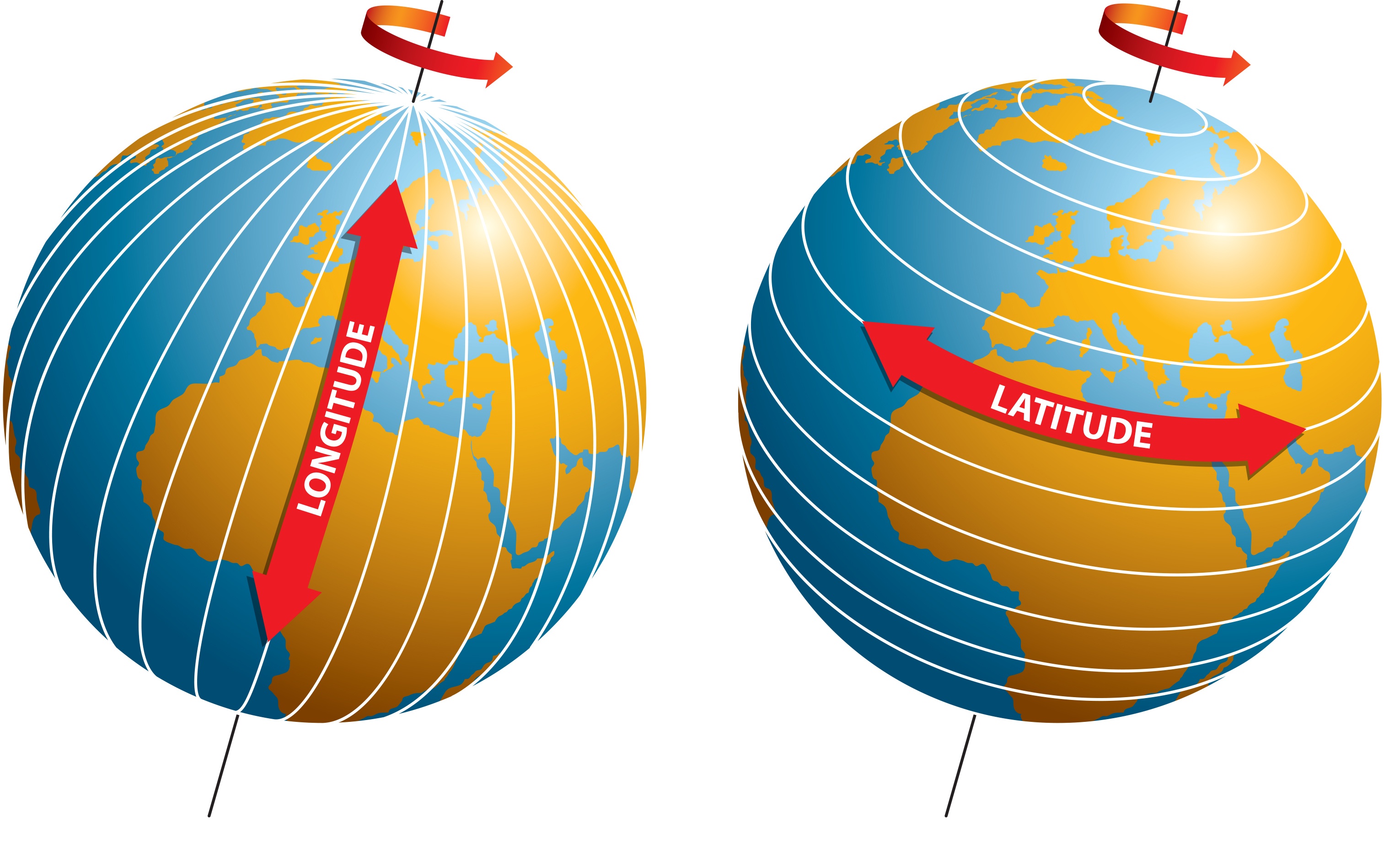
Latitude plays a significant role in the intensity and duration of sunlight. Closer to the equator, sunlight is more intense and daylight hours are more consistent throughout the year. Further from the equator, sunlight is less intense, and the length of daylight varies dramatically between summer and winter. These differences have a direct impact on how you manage sunlight for your chili plants.
Equatorial Regions: Gardeners in these areas often need to providepartial shadeduring the hottest part of the day to prevent sunscald. While chili plants love sun, the intense tropical sun can be too much. Look for shade cloth or position plants where they receive morning sun and afternoon shade.
Temperate Regions: These areas generally provide ideal conditions for chili plants during the summer months. Ensure your plants receive at least 6-8 hours ofdirect sunlightdaily. Garden positioning is crucial here. South-facing gardens or balconies typically offer the most sunlight. However, be mindful of early spring and late fall frosts, which can damage your plants.
Northern Latitudes: Sunlight is at a premium in these regions. Maximize sunlight exposure by planting in the sunniest location possible. Consider using reflective surfaces, like white walls or reflective mulch, to bounce more light onto your plants. You may also need to supplement withindoor grow lights, especially during the early stages of growth or for overwintering plants. Choose full-spectrum LED grow lights for best results, positioning them close to (but not touching) the plants.
Understanding Chili Varieties and Their Sunlight Needs
While general guidelines are helpful, it’s also crucial to consider the specific needs of your chili variety. Some varieties are more tolerant of intense sunlight than others. For instance, some hotter varieties, like Scotch Bonnets, may benefit from some afternoon shade in particularly hot climates. Read the seed packet or plant label for specific recommendations.
How Many Hours of Sunlight Do Chili Plants Need?
Generally, chili plants thrive with6-8 hours of direct sunlightper day. However, this can vary based on your climate and the specific variety.
Full Sun (6-8 hours): This is the ideal scenario for most chili varieties, particularly during the growing season. Partial Shade (4-6 hours): Some varieties, especially in very hot climates, may benefit from partial shade during the hottest part of the day. Minimum Sunlight (4 hours):While chili plants can survive with less than 6 hours of direct sunlight, their growth and fruit production will be significantly reduced. Supplement with grow lights if necessary.
Recognizing the Signs of Too Much or Too Little Sunlight
Being able to identify the signs of improper sunlight exposure is essential for correcting the issue before it severely impacts your plants.
Signs of Insufficient Sunlight
Leggy Growth: Stems become long and spindly as the plant stretches towards available light. Pale Green Leaves: Lack of chlorophyll production due to insufficient light. Few or No Flowers: The plant lacks the energy to produce flowers and fruit. Slow Growth: Overall growth is stunted. Weak Stems:Unable to support the plant’s weight.
Signs of Excessive Sunlight
Sunscald: White or brown patches appear on leaves and peppers, indicating sunburn. Wilting: Even with adequate watering, the plant wilts due to excessive heat and water loss. Leaf Burn: Brown, crispy edges on leaves. Stunted Growth: While seemingly counterintuitive, too much intense sun can inhibit growth.
Adapting Sunlight Management Throughout the Growing Season
The intensity and duration of sunlight change throughout the year, so it's important to adjust your chili plant care accordingly.
Spring: Gradually introduce seedlings to outdoor sunlight. Start with an hour or two of direct sunlight and gradually increase the exposure over a week or two to prevent sunburn.
Summer: Provide shade during the hottest part of the day in climates with intense sunlight. Ensure adequate watering to compensate for increased evaporation.
Fall: As daylight hours decrease, consider moving potted plants to a sunnier location or supplementing with grow lights.
Winter: If overwintering chili plants indoors, provide ample light using grow lights. Reduce watering and fertilization, as the plant will be in a semi-dormant state.
Indoor vs. Outdoor Sunlight Considerations
The way you manage sunlight will differ significantly depending on whether you are growing chili plants indoors or outdoors.
Outdoor Growing
Garden Positioning: Choose the sunniest spot in your garden, preferably a south-facing location. Shade Cloth: Use shade cloth to protect plants from intense sunlight during the hottest part of the day. Reflective Surfaces:Use reflective mulch or paint nearby walls white to increase light exposure.
Indoor Growing
Grow Lights: Invest in high-quality full-spectrum LED grow lights. Position the lights close to the plants (follow manufacturer instructions). Light Timer: Use a light timer to ensure consistent light exposure for 14-16 hours per day. Window Placement:If supplementing with natural sunlight, place plants near a south-facing window. However, be mindful of drafts and temperature fluctuations. Rotate the plants regularly to ensure even light exposure on all sides.
Optimizing Sunlight for Pepper Fruiting
Sunlight is crucial for pepper development and ripening. Insufficient sunlight can result in smaller, fewer peppers, and delayed ripening.
Ensure Adequate Sunlight: Provide at least 6-8 hours of direct sunlight daily during the fruiting stage. Fertilize Appropriately: Use a fertilizer that is high in phosphorus and potassium to promote flowering and fruiting. Prune Regularly: Prune your plants to improve airflow and light penetration. Monitor for Pests and Diseases: Pests and diseases can weaken plants and reduce fruit production.
People Also Ask
Can chili plants get too much sun?
Yes, chili plants can get too much sun, especially in hot climates. Excessive sunlight can cause sunscald, leaf burn, and stunted growth. Providing partial shade during the hottest part of the day can help prevent these problems.
How do I know if my chili plant is getting enough sunlight?
A chili plant that is getting enough sunlight will have strong, healthy stems, dark green leaves, and plenty of flowers and peppers. If your plant is leggy, has pale green leaves, or is not producing flowers, it may not be getting enough sunlight.
What is the best type of grow light for chili plants?
Full-spectrum LED grow lights are the best option for chili plants. They provide a balanced spectrum of light that mimics natural sunlight, which is essential for photosynthesis and healthy growth.
Troubleshooting Common Sunlight-Related Issues
Even with careful planning, you may encounter issues related to sunlight exposure. Here's how to troubleshoot some common problems: Sunscald:Move the plant to a shadier location or provide shade with shade cloth. Remove any affected peppers.
Leggy Growth: Provide more sunlight or supplement with grow lights. Prune the plant back to encourage bushier growth.
Yellowing Leaves: Yellowing leaves can be caused by a variety of factors, including insufficient sunlight, nutrient deficiencies, or overwatering. Assess the overall condition of the plant and adjust your care accordingly.
Lack of Flowering: Insufficient sunlight is a common cause of poor flowering. Ensure your plant is receiving adequate sunlight and fertilize with a phosphorus-rich fertilizer.
By understanding the relationship between latitude, climate, and chili plant sunlight needs, you can create the ideal growing environment for your peppers. Careful observation and timely adjustments will ensure healthy, productive plants and a bountiful harvest. Don't be afraid to experiment and learn from your experiences. With a little attention to detail, you can master the art of sunlight management and grow delicious chili peppers, no matter where you live. You've got this!