
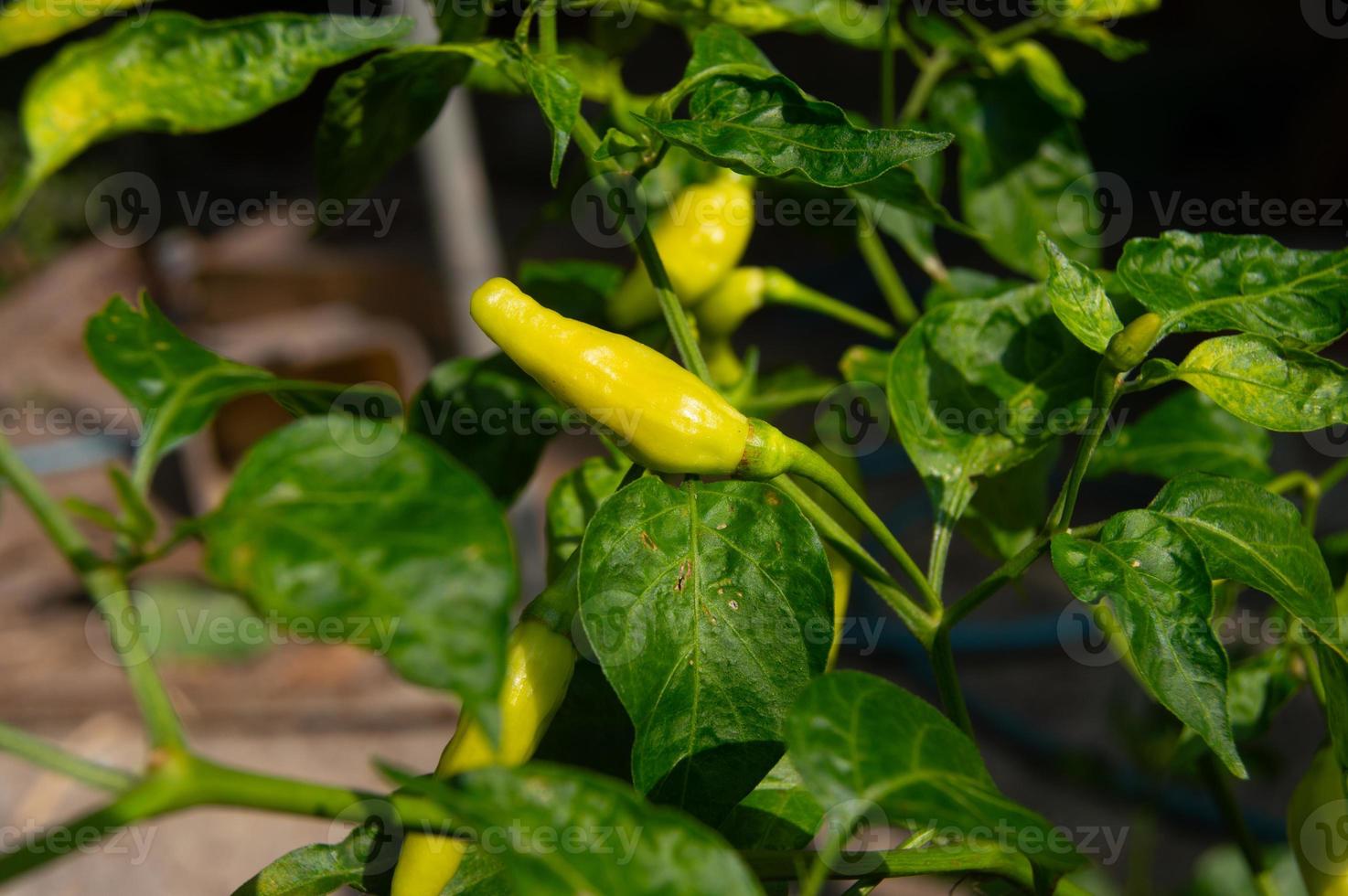
Is Your Chili Plant Ready to Fruit? The Sunlight Secret You Need to Know
Why do your chili plants look weak even though you're watering them regularly and feeding them with care? The answer might be simpler than you think: sunlight. Getting the right amount of light exposure is absolutely critical, especially when your chili plants are entering the fruiting stage. Without adequate sunlight, all your other efforts might be for naught, resulting in fewer peppers, smaller yields, and generally unhappy plants.
Sunlight fuels the engine of your chili plant, driving the entire process of photosynthesis. During this process, plants convert light energy into chemical energy (sugars) that they use to grow, flower, and, most importantly, produce those delicious, fiery peppers we crave. When plants enter the fruiting stage, their energy demands skyrocket. They need abundant sunlight to support the development of those peppers, ensuring they ripen fully and pack that characteristic chili punch. Insufficient light translates directly to underdeveloped fruits, delayed ripening, and a noticeable decrease in flavor and heat. Think of sunlight as the key ingredient for producing truly outstanding chilis.
Decoding Sunlight Needs for Chili Plants During Fruiting
So, how much sunlight do chili plantsreallyneed when they're loaded with developing peppers? The general rule of thumb isat least 6-8 hours of direct sunlight per day. This is especially crucial during the fruiting phase. "Direct sunlight" means that the light shines directly onto the leaves, without being filtered through trees, buildings, or other obstructions for most of the day.
Here's a breakdown of what to consider: Ideal Sunlight: 6-8 hours of direct sunlight is the sweet spot for most chili varieties. This provides ample energy for vigorous fruiting. Minimum Sunlight: If you can't provide 6-8 hours ofdirectsunlight, aim for at least 5 hours. Supplement this with reflected light (light bouncing off walls or other surfaces) to boost the plant's overall light exposure. Insufficient Sunlight:Less than 4 hours of direct sunlight will likely result in stunted growth, poor fruit production, and a higher susceptibility to pests and diseases.
Actionable Tips for Maximizing Sunlight Exposure
Getting your chili plants the sunlight they need might require a bit of strategic planning. Here are some actionable tips to ensure your plants are soaking up those vital rays:
1.Choose the Right Location: When planting outdoors, select a spot that receives full sun for the majority of the day. Observe the area throughout the day to identify any potential obstructions that might cast shadows on your plants.
2.Container Gardening Advantage: If you're growing in containers, you have the flexibility to move your plants throughout the day to follow the sun. This is especially helpful if your garden has limited sunlight or if the angle of the sun changes significantly throughout the season.
3.Indoor Growing Solutions: For indoor growers, high-quality grow lights are essential. LED grow lights are a popular choice because they're energy-efficient and provide a full spectrum of light that mimics natural sunlight. Ensure your grow lights are positioned correctly and provide adequate coverage for all your chili plants.
4.Reflective Surfaces: Utilize reflective surfaces like white walls or reflective sheeting to bounce sunlight back onto your plants. This can significantly increase the amount of light your plants receive, especially in partially shaded areas.
5.Pruning for Light Penetration: Regularly prune your chili plants to remove any excess foliage that might be blocking sunlight from reaching the developing peppers. Proper pruning promotes airflow and allows sunlight to penetrate deeper into the plant.
Troubleshooting Sunlight-Related Issues
Even with the best intentions, you might encounter some challenges related to sunlight exposure. Here's how to identify and address common issues:Signs of Insufficient Sunlight:
Leggy Growth: Plants stretch excessively towards the light, resulting in long, weak stems and sparse foliage. Pale Leaves: Leaves may appear pale green or yellowish, indicating a lack of chlorophyll production. Reduced Flowering and Fruiting: Plants produce fewer flowers, and the fruits that do develop may be small and slow to ripen. Drooping Leaves: While drooping can also indicate underwatering or overwatering, it can also be a sign that the plant isn't getting enough energy from the sun.
Solutions for Insufficient Sunlight
Relocate Plants: Move your plants to a sunnier location, or use grow lights to supplement natural sunlight. Prune Overhanging Branches: Trim any trees or shrubs that are blocking sunlight from reaching your plants. Adjust Grow Lights:Ensure your grow lights are positioned correctly and providing adequate coverage. Adjust the height and intensity of the lights as needed.
Signs of Too Much Sunlight
Sunscald: Fruits develop white or tan patches on the side facing the sun, indicating sunburn. Leaf Burn: Leaf tips and edges become brown and crispy. Wilting:Although wilting is often associated with lack of water, excessive sunlight can also cause plants to wilt as they struggle to regulate their temperature.
Solutions for Too Much Sunlight
Provide Shade: During the hottest part of the day, provide temporary shade for your plants using shade cloth, umbrellas, or other barriers. Water Regularly: Ensure your plants are adequately hydrated to help them cope with the heat and sun exposure. Acclimatize Gradually:If you're moving plants from a shaded area to a sunny location, do so gradually over a period of several days to allow them to adjust to the increased light intensity.
Seasonal Considerations for Chili Plant Sun Exposure
The intensity and duration of sunlight vary significantly throughout the year. It's important to adjust your chili plant care accordingly.
Summer: During the summer months, sunlight is at its peak. Monitor your plants closely for signs of sunscald and provide shade as needed, especially during the hottest part of the day. Winter: In colder climates, sunlight is limited during the winter months. If you're growing chili plants indoors, you'll likely need to rely heavily on grow lights to provide adequate light exposure. Consider supplemental heating to maintain optimal growing temperatures. Spring and Fall:These transitional seasons can be tricky. Pay attention to the weather forecast and adjust your plant care as needed. Be prepared to provide shade during unseasonably hot days and supplemental light during cloudy periods.
Growing Indoors? Important Light Management Tips
Growing chili plants indoors gives you greater control over their environment, including light exposure. Here are some key considerations: Choose the Right Grow Lights: Research and select grow lights that provide a full spectrum of light suitable for chili plant growth and fruiting. LED grow lights are a popular and energy-efficient option. Positioning is Key: Position your grow lights at the appropriate distance from your plants. Too close, and you risk burning the leaves; too far, and your plants won't receive enough light. Follow the manufacturer's recommendations for optimal placement. Timers are Your Friend: Use a timer to automate the lighting schedule. This ensures your plants receive a consistent amount of light each day, even when you're not around. Monitor Plant Response: Regularly observe your plants for signs of light stress. Adjust the height and intensity of the grow lights as needed to maintain optimal growth.
People Also Ask (FAQ)
Can chili plants get too much sun?
Yes, chili plants can suffer from sunscald if exposed to excessive sunlight, especially during very hot weather. Providing shade during the hottest part of the day can prevent this.
Is direct sunlight always necessary for fruiting?
While direct sunlight is ideal, chili plants can still produce fruit with partial sun (4-6 hours of direct light), especially if supplemented with reflected light. However, the yield and quality of the peppers may be reduced.
What are the best types of grow lights for chili plants?
LED grow lights are a popular choice due to their energy efficiency, long lifespan, and ability to provide a full spectrum of light suitable for chili plants. Other options include fluorescent and high-pressure sodium (HPS) lights, but LEDs are generally considered the most cost-effective and environmentally friendly.
Conclusion: Embrace the Sun and Grow!
Providing the right amount of sunlight is a fundamental aspect of chili plant care, especially during the critical fruiting stage. By understanding your plants' needs, implementing the tips outlined above, and diligently troubleshooting any issues that arise, you'll be well on your way to harvesting a bountiful crop of flavorful, fiery peppers. Don't be afraid to experiment and adapt your approach as needed. Every garden is unique, and your plants will tell you what they need. With a little attention and care, you can unlock the full potential of your chili plants and enjoy the rewards of your labor!