
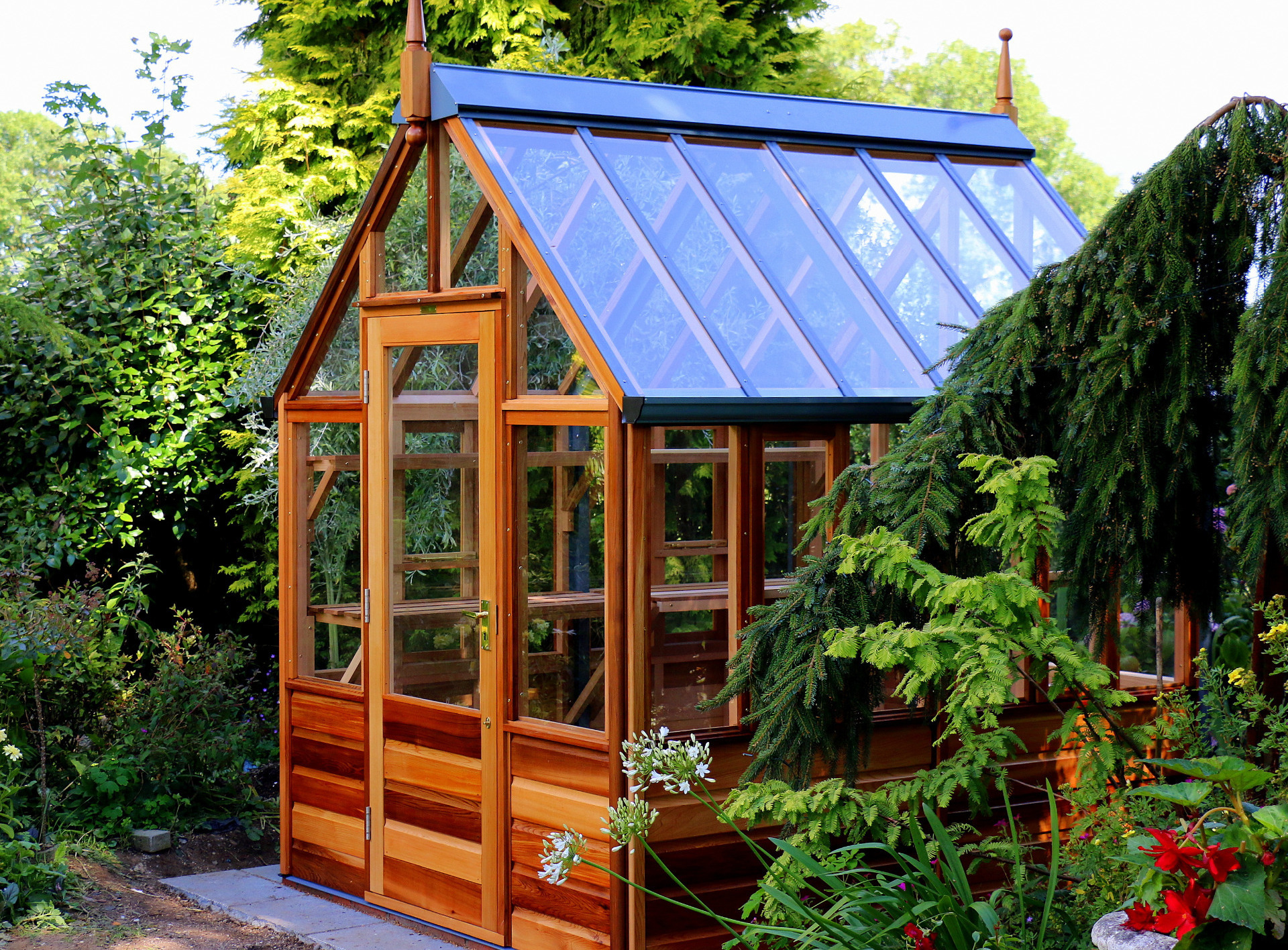
Why do your chili plants look leggy and produce few peppers, even though you’re diligently watering and fertilizing? The answer might be simpler than you think: sunlight. Or, more accurately, themanagementof sunlight, especially when growing your precious chilies inside a greenhouse. Greenhouses, while offering incredible benefits like extended growing seasons and protection from the elements, fundamentally alter the light environment compared to the open garden. Understanding and adapting to these changes is key to a thriving chili crop.
Sunlight is the lifeblood of your chili plants. It's the engine that drives photosynthesis, the process by which plants convert light energy into the sugars they need to grow, flower, and produce those fiery fruits we crave. Insufficient light leads to stunted growth, weak stems, reduced flowering, and ultimately, a disappointing harvest. Too much intense light, on the other hand, can scorch leaves and stress your plants. Getting the balance right is crucial, and a greenhouse adds a layer of complexity to this equation.
How Greenhouses Change Sunlight Exposure
Greenhouses act as both amplifiers and filters of sunlight. The glass or plastic structure allows sunlight to penetrate, warming the air inside and creating a more favorable environment for heat-loving chili plants. However, the glazing also reduces the intensity and alters the spectrum of light that reaches your plants. This reduction can be significant, especially on cloudy days or in older greenhouses with dirty or yellowed coverings. Furthermore, the angle of the sun changes throughout the year, impacting the amount of direct sunlight your plants receive at different times of the day and in different seasons.
Actionable Tips for Managing Sunlight in Your Chili Greenhouse
Successfully navigating the greenhouse light environment requires a proactive approach. Here’s how to ensure your chili plants get the optimal sunlight exposure they need:
1.Understand Your Chili Variety's Light Needs: Different chili varieties have slightly different light requirements. Generally, most chili plants thrive infull sun, which means at least 6-8 hours of direct sunlight per day. However, some varieties may tolerate or even benefit from a bit of afternoon shade, especially in hotter climates. Research the specific needs of your chosen varieties.
2.Monitor Sunlight Levels: Don't rely solely on guesswork. Use a light meter or even a smartphone app to measure the amount of light reaching your plants at different times of the day and in different locations within the greenhouse. This will help you identify areas that may be too shady or too bright.
3.Strategic Greenhouse Placement: When possible, orient your greenhouse to maximize sunlight exposure. In the Northern Hemisphere, a south-facing greenhouse will typically receive the most sunlight throughout the year. Consider the position of trees, buildings, and other structures that might cast shadows on your greenhouse.
4.Optimize Glazing: Keep the glazing of your greenhouse clean to maximize light transmission. Regularly wash the interior and exterior surfaces with mild soap and water. Consider using a greenhouse shading compound or shade cloth during the hottest months of the year to prevent overheating and excessive sunlight exposure. You can also purchase greenhouse films that diffuse light, providing a more even distribution.
5.Use Reflective Surfaces: Increase light levels within the greenhouse by using reflective surfaces. Paint the interior walls white or use reflective foil to bounce sunlight back onto your plants. This is particularly helpful in areas that receive less direct sunlight.
6.Rotate Your Plants: To ensure even light exposure, rotate your chili plants regularly, especially if they are grown in pots. This prevents one side of the plant from becoming leggy and weak due to lack of light.
7.Supplement with Grow Lights: During periods of low light, such as winter or on cloudy days, supplement with artificial grow lights. LED grow lights are energy-efficient and provide the full spectrum of light that chili plants need to thrive. Position the lights appropriately to provide adequate coverage without scorching the leaves. Be mindful of the distance between the lights and the plants, adjusting as they grow.
8.Spacing Matters: Ensure plants are spaced adequately to allow light to penetrate to all leaves. Overcrowding creates shade, reducing photosynthetic activity.
Troubleshooting Sunlight-Related Problems in Greenhouses
Even with careful planning, you may encounter problems related to sunlight exposure. Here's how to identify and address common issues: Leggy Growth (Etiolation):This is a classic sign of insufficient light. Plants will have long, spindly stems and pale leaves as they stretch towards the light source. Solution: Increase light exposure by moving plants to a sunnier location, using reflective surfaces, or supplementing with grow lights.
Pale or Yellowing Leaves: While nutrient deficiencies can also cause yellowing leaves, insufficient light can also be a culprit. This indicates that the plant isn't producing enough chlorophyll due to inadequate light. Solution: Increase light exposure as above.
Sunscald: This occurs when plants are exposed to excessive direct sunlight, causing the leaves to become scorched or bleached. It's more common when plants are suddenly moved from a shady area to full sun. Solution: Provide shade during the hottest part of the day using shade cloth or greenhouse shading compound. Gradually acclimate plants to increased sunlight exposure to prevent sunscald.
Stunted Growth and Poor Fruiting: Insufficient light can significantly impact the growth and fruiting of chili plants. Plants may remain small, produce few flowers, or fail to set fruit. Solution: Ensure plants are receiving adequate light and that other growing conditions, such as watering and fertilization, are optimal.
Seasonal Adjustments for Greenhouse Sunlight
The angle and intensity of sunlight change throughout the year, requiring adjustments to your greenhouse management practices.
Spring and Summer: Sunlight is typically more intense during these months. Monitor your plants closely for signs of sunscald and provide shade as needed. Ensure adequate ventilation to prevent overheating.
Autumn and Winter: Sunlight is weaker and the days are shorter. Supplement with grow lights to provide adequate light for your chili plants. Consider using greenhouse insulation to retain heat and reduce energy costs.
Indoor vs. Outdoor Chili Growing: Light Considerations
Even if you transition your greenhouse-grown chili plants outdoors during the warmer months, remember to gradually acclimate them to the increased sunlight intensity. A sudden move from the filtered light of a greenhouse to full outdoor sun can cause severe sunscald. Start by placing the plants in a shaded location for a few hours each day, gradually increasing their exposure to direct sunlight over a week or two.
People Also Ask How many hours of sunlight do chili plants need in a greenhouse?
Chili plants generally require 6-8 hours of direct sunlight per day to thrive. In a greenhouse, this can be achieved through a combination of natural sunlight and supplemental grow lights, especially during periods of low light. Monitor your plants closely and adjust as needed based on their growth and development.
Can chili plants get too much sun in a greenhouse?
Yes, chili plants can get too much sun in a greenhouse, especially during the hottest months of the year. Excessive sunlight can cause sunscald, leading to scorched or bleached leaves. Use shade cloth or greenhouse shading compound to protect your plants from intense sunlight.
What are the best grow lights for chili plants in a greenhouse?
LED grow lights are generally considered the best option for chili plants in a greenhouse. They are energy-efficient, produce less heat than traditional grow lights, and provide the full spectrum of light that chili plants need to thrive. Choose lights with a color temperature of around 6400K for vegetative growth and 2700K for flowering and fruiting.
How do I know if my chili plants are getting enough sunlight?
Healthy chili plants have vibrant green leaves, strong stems, and abundant flowering and fruiting. If your plants are leggy, have pale or yellowing leaves, or are producing few flowers or fruits, they may not be getting enough sunlight.
Does the type of greenhouse affect sunlight exposure?
Yes, the type of greenhouse material used can affect sunlight exposure. Glass greenhouses generally transmit more light than plastic greenhouses, but they can also be more expensive. Polycarbonate greenhouses offer a good balance of light transmission and insulation. Over time, plastics can degrade, reducing light penetration.
By understanding how greenhouses affect light levels and implementing these practical tips, you can create the perfect environment for your chili plants to thrive. Don't be afraid to experiment and adjust your approach based on your specific greenhouse and growing conditions. With a little attention to detail, you'll be rewarded with a bountiful harvest of fiery peppers. Remember, gardening is a learning process. Every season brings new opportunities to refine your skills and grow even better chilies!