
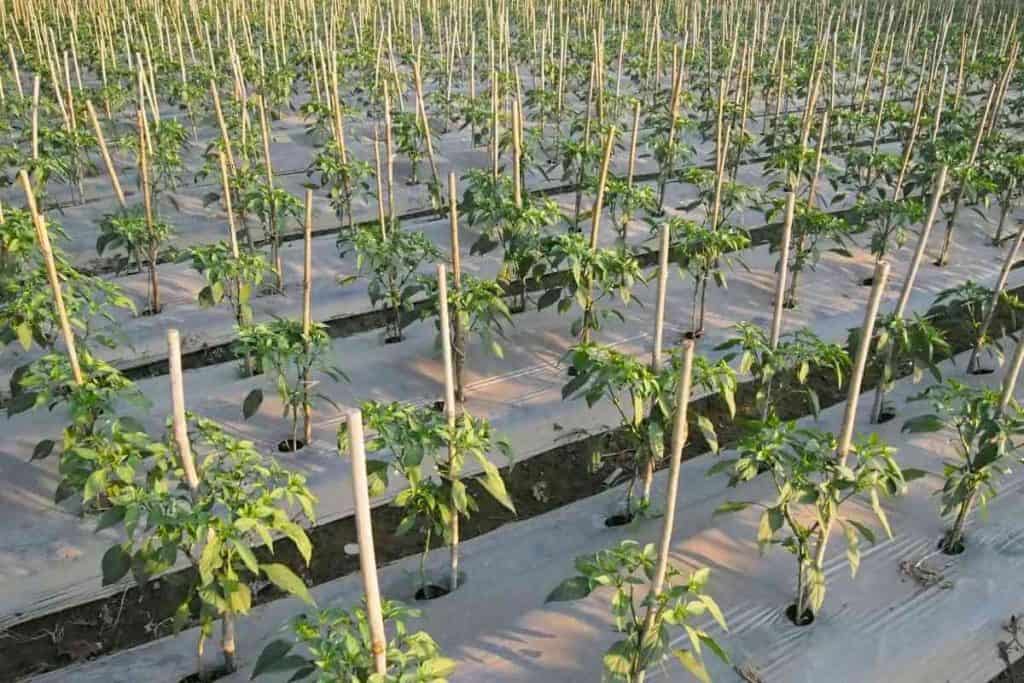
Why do your chili peppers look pale and produce few fruits, despite your diligent watering schedule? The answer might be simpler than you think: sunlight. Giving your chili plants the right amount of sunshine is the secret ingredient to unlocking a bountiful harvest. Without it, even the healthiest seedlings will struggle.
Sunlight is the engine that drives chili plant growth and, ultimately, pepper production. Through photosynthesis, sunlight fuels the creation of essential sugars that the plant uses for energy. More energy translates to robust growth, beautiful blooms, and, most importantly, those fiery pods we crave. Insufficient light weakens the plant, leading to fewer flowers, smaller fruits, and increased susceptibility to pests and diseases. Understanding how sunlight impacts your chili plants throughout the year is crucial for maximizing your yield.
Understanding Sunlight Needs: The Foundation for Chili Success
The amount of sunlight chili plants need depends on their stage of development. Seedlings, for example, require less intense light than mature, fruiting plants. Generally, chili plants thrive infull sun, which means they need at least 6-8 hours of direct sunlight per day.
Seedlings: Starting indoors, seedlings benefit from 14-16 hours of light daily. Use grow lights if natural sunlight is limited. Keep the lights a few inches from the seedlings to prevent burning. Young Plants: As the plants mature and are transplanted outdoors, gradually introduce them to more sunlight to avoid shocking them. Fruiting Plants:Once plants are established and start producing fruit, they require maximum sunlight – a minimum of 6-8 hours, ideally even more. This intense exposure is essential for the peppers to ripen fully and develop their characteristic heat and flavor.
Navigating Seasonal Changes: Adapting Your Sunlight Strategy
The intensity and duration of sunlight change drastically throughout the year. This means you need to adjust your chili plant care routine to match the season.
Spring
As the days lengthen, gradually increase the time your seedlings spend outdoors. Start with an hour or two of morning sun and slowly increase the exposure each day. This process, called "hardening off," helps them adapt to the harsher outdoor conditions.
Choose a garden location that receives full sun throughout the day. Consider the position of trees and buildings that might cast shadows.
If unexpected late frosts threaten, be prepared to cover your plants or bring them indoors temporarily.
Summer
Summer brings the most intense sunlight. While chili plants love the heat and light, excessive exposure can lead to sunburn. Signs of Sunburn: Look for white or yellow patches on the leaves and peppers. Mitigation: Provide shade during the hottest part of the day (usually between 1 PM and 4 PM). Shade cloth is an excellent option, but you can also use strategically placed taller plants to offer some relief. Water deeply in the morning to help plants withstand the heat.
Ensure adequate ventilation to prevent overheating in enclosed spaces like greenhouses.
Autumn
As the days shorten, sunlight intensity decreases. Chili plants may slow down their growth and begin to ripen their remaining peppers.
Remove any shade coverings you used during the summer to maximize sunlight exposure.
If you live in a region with early frosts, protect your plants by covering them at night or moving them indoors.
Consider harvesting green peppers if frost is imminent, as they will not ripen further on the plant.
Winter
During winter, chili plants typically enter a period of dormancy. If you want to keep them alive through the winter, you’ll need to provide supplemental light. Overwintering: Prune back your plants and bring them indoors. Place them near a sunny window or use grow lights. Indoor Growing: Ensure your indoor setup provides sufficient light intensity and duration. LED grow lights are energy-efficient and provide the full spectrum of light needed for plant growth.
Reduce watering frequency as the plants are not actively growing.
Troubleshooting: Recognizing Sunlight Deficiency and Excess
Chili plants are excellent communicators if you know how to interpret their signals. Here's how to diagnose sunlight-related issues:Signs of Insufficient Sunlight:
Leggy Growth: Plants become tall and spindly with long spaces between leaves. Pale Green or Yellow Leaves: Lack of chlorophyll production due to insufficient light. Few or No Flowers: The plant lacks the energy to produce blooms. Small or Poorly Developed Fruits: Peppers may be small, misshapen, and lack flavor. Slow Growth:Overall stunted development.
Solutions for Insufficient Sunlight
Relocate plants to a sunnier location.
Use grow lights to supplement natural sunlight.
Prune surrounding plants to reduce shading.
Clean windows to maximize light penetration.
Signs of Excessive Sunlight (Sunburn)
White or Yellow Patches on Leaves and Peppers: Especially on the side facing the sun. Dry, Crispy Leaves: Leaf edges may turn brown and brittle. Stunted Growth:The plant is stressed and unable to thrive.
Solutions for Excessive Sunlight
Provide shade during the hottest part of the day.
Use shade cloth to reduce sunlight intensity.
Ensure adequate watering to prevent dehydration.
Relocate plants to a location with partial shade.
Indoor Growing: Mimicking Natural Sunlight
Growing chili plants indoors offers greater control over environmental conditions, including sunlight. However, it's essential to mimic the natural sunlight cycle as closely as possible.
Grow Lights: Invest in high-quality LED grow lights that provide a full spectrum of light. Choose lights with adjustable intensity to match the plant's needs at different stages of growth. Light Duration: Use a timer to regulate the light cycle, providing 14-16 hours of light per day for seedlings and 12-14 hours for mature plants. Distance from Plants: Keep the lights close enough to provide adequate intensity but far enough to prevent burning. Follow the manufacturer's recommendations. Ventilation: Ensure good air circulation to prevent overheating and humidity buildup.
Choosing the Right Garden Location for Optimal Sunlight
Selecting the ideal spot for your chili plants is a crucial first step. Consider the following factors: Sun Exposure: Observe your garden throughout the day to identify areas that receive at least 6-8 hours of direct sunlight. Soil Drainage: Chili plants need well-draining soil to prevent root rot. Avoid areas where water tends to accumulate. Protection from Wind: Choose a location sheltered from strong winds, which can damage plants and dry out the soil. Accessibility: Ensure easy access for watering, fertilizing, and harvesting.
People Also Ask How many hours of sunlight do chili plants need?
Chili plants need a minimum of 6-8 hours of direct sunlight per day to thrive. More is generally better, especially during the fruiting stage.
Can chili plants get too much sun?
Yes, chili plants can get sunburned if exposed to intense sunlight for extended periods. Provide shade during the hottest part of the day to prevent damage.
What is the best direction to plant chili plants for sunlight?
In the Northern Hemisphere, a south-facing location provides the most sunlight. In the Southern Hemisphere, a north-facing location is ideal.
Do chili plants need full sun or partial shade?
Chili plants prefer full sun but can tolerate partial shade, especially in hot climates. However, reduced sunlight will result in lower yields.
How does light spectrum affect chili plant growth?
The red and blue light spectrum are vital for plant growth. Blue light promotes vegetative growth, while red light encourages flowering and fruiting. Full-spectrum LED grow lights provide a balanced combination of both.
Understanding how seasonal changes affect sunlight and adapting your chili plant care accordingly is the key to a successful and bountiful harvest. By providing your plants with the right amount of light at the right time, you'll be rewarded with vibrant growth and a fiery bounty of delicious chili peppers. Don't be afraid to experiment and observe your plants closely – they'll tell you exactly what they need! You’ve got this – get out there and grow some amazing chilies!