
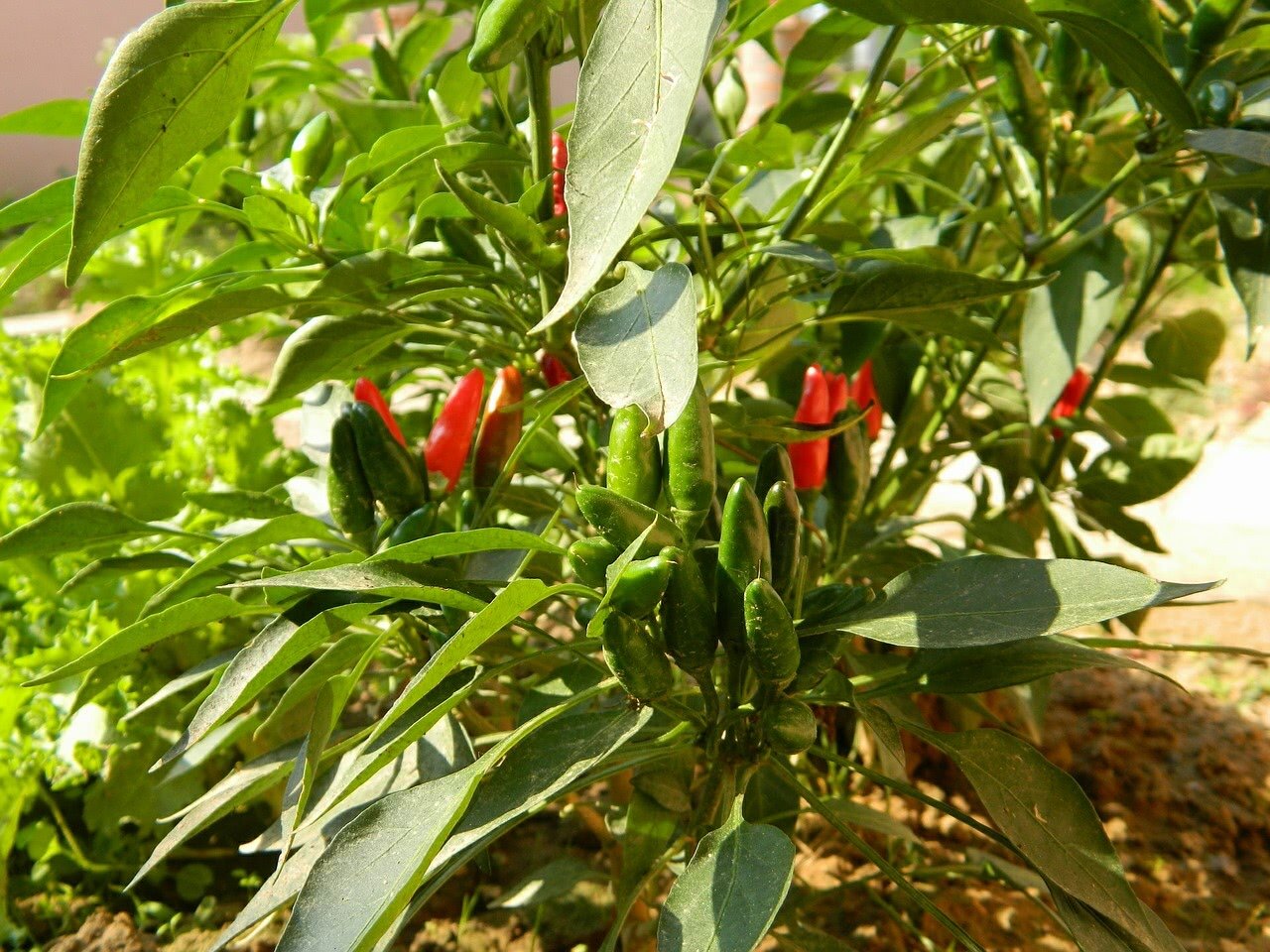
Why do my chili plants look weak and produce fewer peppers than expected, even though I'm diligent with watering and fertilizing? The answer might be simpler than you think: sunlight. Often overlooked, providing the right amount of sun exposure is absolutely critical for vibrant growth and a bountiful harvest of your favorite spicy fruits. Getting the light balance right can be the difference between a struggling plant and one overflowing with delicious chilies.
Sunlight is the engine that drives chili plant growth. Through photosynthesis, plants convert light energy into the sugars they need to develop strong stems, lush foliage, and, most importantly, those fiery peppers we crave. Insufficient light leads to stunted growth, weak stems, pale leaves, and a drastically reduced yield. Conversely, while chili plants love the sun, too much intense sunlight can also cause problems, leading to scorched leaves and stressed plants. Finding that "sweet spot" is key to a thriving chili garden.
Optimal Sunlight for Pepper Plants: A Guide to Success
So, how do you ensure your chili plants are getting the perfect amount of sunlight? Here's a breakdown of the factors to consider and actionable tips to help you achieve optimal growth:
How many hours of sunlight do chili plants need?
Chili plants thrive in full sun, requiring at least 6-8 hours of direct sunlight each day. The more sunlight they receive, the better their growth and fruit production will be. If you live in a region with intense summer heat, providing some afternoon shade can prevent sunscald.
Assess your garden: Observe how sunlight falls in your garden throughout the day. Note the areas that receive the most direct sunlight and those that are shaded for part of the day. Choose the right location: Select a spot in your garden that receives at least 6-8 hours of direct sunlight. Avoid areas shaded by buildings, trees, or other obstructions. Consider the sun's path: Remember that the sun's path changes throughout the year. What might be a sunny spot in the summer could be shaded in the winter. Use a sun calculator: If you're unsure about the amount of sunlight your garden receives, use a sun calculator app or website to track the sun's movement.
Signs Your Chili Plants Are Getting Too Much Sun
While chili plants love sunlight, excessive exposure can be detrimental. Here are some telltale signs that your plants might be getting too much sun: Sunscald: White or bleached patches on the peppers or leaves, particularly on the side facing the sun. Leaf burn: Brown or crispy edges on the leaves. Wilting: Despite adequate watering, the plant wilts during the hottest part of the day. Stunted growth: The plant's growth slows down or stops altogether.
If you notice these signs, take immediate action to protect your plants: Provide shade: Use shade cloth, row covers, or umbrellas to create temporary shade during the hottest part of the day. Move plants (if potted): Relocate potted plants to a shadier location. Water deeply:Ensure the soil is consistently moist to help the plant cope with the heat.
Insufficient Sunlight: Signs and Solutions
On the other end of the spectrum, insufficient sunlight can also wreak havoc on your chili plants. Here's what to look for and how to correct it: Leggy growth: Long, weak stems with sparse leaves. The plant stretches towards the light, resulting in an elongated and unstable structure. Pale leaves: Leaves appear light green or yellowish. Reduced flowering and fruiting: The plant produces fewer flowers and peppers than expected, or may not flower at all. Slow growth: Overall growth is significantly slower than expected.
If your plants are showing these signs, try these solutions: Relocate plants: Move plants to a sunnier location. Prune surrounding vegetation: Trim back any trees or shrubs that are blocking sunlight. Use reflective surfaces: Place mirrors or reflective foil around the plants to increase light exposure. Consider grow lights: If natural sunlight is limited, supplement with grow lights, especially for indoor growing.
Adapting to the Seasons: Sunlight Needs Throughout the Chili Growth Cycle
The amount of sunlight your chili plants need can vary depending on the stage of their growth cycle and the time of year.
Seedlings: Seedlings require bright, indirect light. Avoid direct sunlight, which can scorch their delicate leaves. Young plants: As plants mature, gradually introduce them to more direct sunlight. Flowering and fruiting: During flowering and fruiting, chili plants need maximum sunlight to produce a bountiful harvest. Summer: In hot summer climates, provide some afternoon shade to prevent sunscald. Winter:If you're overwintering your chili plants indoors, supplement with grow lights to compensate for shorter days and weaker sunlight.
Indoor Chili Growing: Mastering Artificial Light
Growing chili plants indoors offers many advantages, including extending the growing season and controlling the environment. However, it also means relying on artificial light to meet the plant's needs.
Choose the right grow lights: LED grow lights are the most energy-efficient and provide a full spectrum of light that is ideal for chili plants. Fluorescent grow lights are also a good option, but they are less energy-efficient than LEDs. Determine the wattage: The wattage of your grow lights will depend on the size of your growing area and the number of plants you are growing. As a general rule, aim for 30-50 watts per square foot. Position the lights correctly: Position the lights 6-12 inches above the plants. Adjust the height as the plants grow. Set a timer: Provide 14-16 hours of light per day during the vegetative stage and 12-14 hours of light per day during the flowering and fruiting stage. Monitor your plants:Watch for signs of light stress, such as leaf burn or stunted growth. Adjust the intensity or duration of the light as needed.
Garden Positioning for Optimal Pepper Plant Care
Strategic placement of your chili plants in the garden can maximize their sun exposure and protect them from other environmental stressors.
South-facing locations: In the Northern Hemisphere, south-facing locations receive the most direct sunlight. Raised beds: Raised beds can improve drainage and warm up the soil faster in the spring, giving your chili plants a head start. Wind protection: Protect your chili plants from strong winds, which can damage their leaves and stems. Companion planting: Plant companion plants that can provide shade or attract beneficial insects. For example, basil can help repel pests and improve the flavor of your peppers.
People Also Ask:
Can I grow chili plants in partial shade?
While chili plants prefer full sun, they can tolerate partial shade (4-6 hours of direct sunlight per day). However, expect reduced growth and fruit production compared to plants grown in full sun. If you only have a partially shaded location, choose chili varieties that are more tolerant of shade, such as bell peppers or poblano peppers.
What is the best type of sunlight for chili plants?
Direct sunlight is best for chili plants. This means the plants receive unfiltered sunlight for at least 6-8 hours per day. Avoid placing them behind windows or in areas with heavy shade, as this can significantly reduce their growth and yield. If using grow lights, choose full-spectrum LEDs to mimic natural sunlight.
How do I protect my chili plants from sunburn?
Sunburn, or sunscald, occurs when chili plants are exposed to excessive sunlight, especially during heat waves. To protect your plants, provide shade during the hottest part of the day using shade cloth, row covers, or umbrellas. Ensure your plants are adequately watered, as well-hydrated plants are less susceptible to sunburn. Acclimatize young plants gradually to full sun to avoid shocking them.
Getting the right amount of sun exposure for your chili plants might seem like a juggling act, but with a little observation and tweaking, you can create the ideal environment for them to thrive. Remember to monitor your plants regularly for signs of too much or too little sun, and adjust their position or provide shade as needed. With a little effort, you'll be rewarded with a bountiful harvest of delicious, homegrown chilies. So get out there, find that sunny spot, and watch your chili plants flourish!