
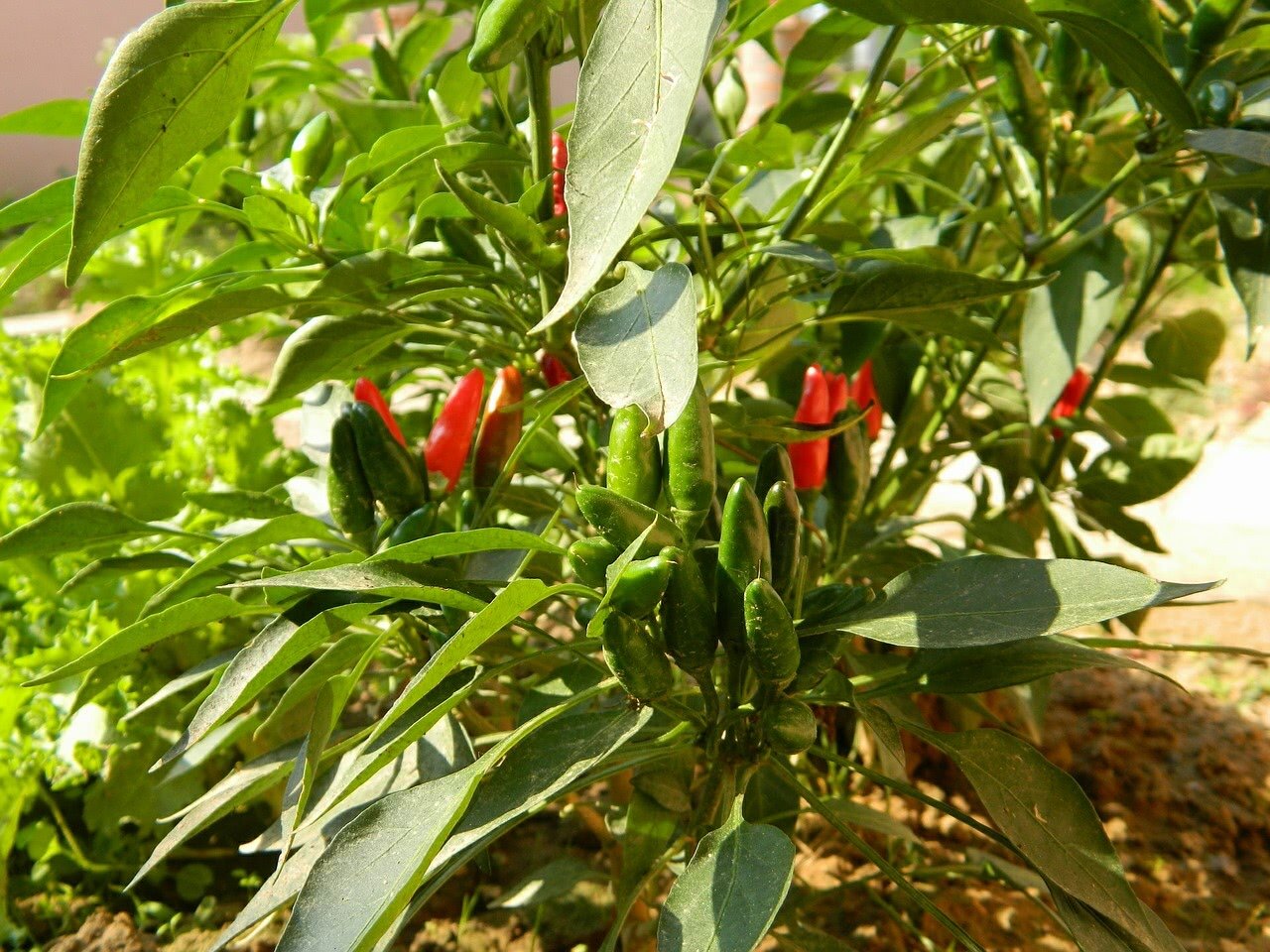
Have you ever noticed your chili plants looking droopy and stressed, even when you’re diligently watering them? The culprit might be something less obvious than hydration: excessive sunlight, especially during intense heatwaves. While sunlight is essential for healthy chili growth, too much can be just as detrimental as too little.
Sunlight is the engine that drives chili plant growth. Through photosynthesis, plants convert light energy into the sugars they need to develop strong stems, vibrant leaves, and, most importantly, those fiery peppers we crave. The right amount of sunlight fuels prolific flowering and abundant fruit production. Without sufficient light, plants become leggy, produce fewer peppers, and are more susceptible to pests and diseases. However, during heatwaves, the equation changes, and we need to think strategically about managing light exposure.
Adjusting sunlight for chili plants during periods of intense heat is crucial for their survival and continued productivity. Here’s how to keep your plants thriving, even when the temperatures soar:Understanding Your Chili Plants’ Sunlight Needs
Generally, chili plants thrive in full sun, which means they need at least 6-8 hours of direct sunlight per day. However, this is a general guideline and can vary depending on the specific chili variety and the local climate. A scorching summer day in Arizona is vastly different from a sunny day in England.
Before we dive into adjustments, let's establish some baseline knowledge: Full Sun: 6-8 hours of direct sunlight daily. Ideal for most chili varieties under normal conditions. Partial Shade: 4-6 hours of direct sunlight, with some shade during the hottest part of the day. Dappled Shade:Sunlight that filters through the leaves of trees, providing a gentler light exposure.
Recognizing Signs of Sun Stress in Chili Plants
Knowing the signs of sun stress is the first step in protecting your plants. Look out for these indicators: Leaf Scorching: Brown or bleached patches on the leaves, especially the upper ones. Wilting: Leaves droop excessively, even after watering. This can indicate the plant is struggling to transpire and cool itself. Stunted Growth: Overall growth slows down, and the plant may appear weak and fragile. Blossom Drop: Flowers fall off before producing fruit. This is a common stress response. Sun Scald on Peppers:White or pale patches appear on the peppers themselves, indicating sunburn.
Practical Strategies for Adjusting Sunlight During Heatwaves
When a heatwave hits, you'll need to actively manage your chili plants' sun exposure. Here are several methods to consider:
1.Strategic Shading: This is often the most effective way to protect your plants.
Shade Cloth: Use shade cloth with a 30-50% density rating to reduce the intensity of the sunlight. Drape it over your plants during the hottest hours of the day (typically between 11 am and 4 pm). Secure it well to prevent it from blowing away.
Row Covers: Lightweight row covers can provide a similar level of protection, but make sure they're not trapping too much heat.
Temporary Structures: Improvise with umbrellas, tarps, or even old bedsheets to create temporary shade structures. Be creative and resourceful!
Natural Shade: If possible, move potted plants to a location that receives afternoon shade from trees or buildings.
2.Watering Wisely: Proper hydration is crucial during heatwaves.
Water Deeply: Water your chili plants deeply in the early morning to allow the roots to absorb moisture before the day heats up.
Mulch: Apply a layer of organic mulch (such as straw, wood chips, or compost) around the base of the plants to help retain moisture in the soil and regulate soil temperature.
Avoid Midday Watering: Watering during the hottest part of the day can actually scorch the leaves.
3.Improving Air Circulation: Good airflow helps cool plants down and reduces the risk of fungal diseases.
Spacing: Ensure your chili plants are spaced adequately to allow for good air circulation.
Pruning: Prune away any dead or yellowing leaves to improve airflow around the plant.
Fans (for Indoor Growing): If you're growing chili plants indoors, use a fan to circulate the air.
4.Relocating Potted Plants: One of the easiest ways to protect your plants is to move them.
Follow the Sun: Observe how the sun moves across your garden and identify areas that receive afternoon shade.
Move Strategically: Relocate your potted chili plants to these shadier spots during heatwaves.
5.Foliar Feeding: A diluted foliar feed can help plants cope with stress.
Seaweed Extract: Seaweed extract is a great source of micronutrients and can help boost the plant's immune system.
Apply Early Morning or Late Evening: Avoid applying foliar feeds during the hottest part of the day to prevent leaf burn.
Adjusting Sunlight for Indoor Chili Plants
If you grow your chilies indoors under grow lights, you also need to consider heat management during heatwaves. Although they are not exposed to direct outdoor sunlight, the ambient temperature can still rise significantly, affecting the plants.
Monitor Temperature: Use a thermometer to monitor the temperature in your grow room. Adjust Light Height: Raise the grow lights slightly to reduce heat stress on the plants. Improve Ventilation: Ensure adequate ventilation in your grow room to dissipate heat. Use fans to circulate the air. Consider Light Cycles: During extreme heat, you may want to shorten the light cycle slightly to reduce the overall heat load.
Seasonal Adjustments to Sunlight Exposure
The amount of sunlight your chili plants need varies throughout the growing season.
Spring: As the weather warms up, gradually introduce your plants to more sunlight. Summer: Monitor your plants closely for signs of sun stress during heatwaves and adjust shading as needed. Autumn: As the days shorten, you may need to supplement with grow lights, especially if you want to extend the growing season. Winter: Indoor chili plants may need supplemental light to thrive during the shorter days of winter.
Troubleshooting Common Sunlight Problems Leggy Growth (Stretching): This indicates the plant is not getting enough light. Move the plant to a sunnier location or supplement with grow lights. Pale Leaves: This can also indicate insufficient light or a nutrient deficiency. Sunken Dark Spots on Peppers: This could be blossom end rot, often caused by inconsistent watering and calcium deficiency, but exacerbated by sun stress.
People Also Ask How many hours of sunlight do chili plants need indoors?
Indoor chili plants typically need 14-16 hours of light per day from grow lights. Use full-spectrum LED grow lights for optimal results. Adjust the height and intensity of the lights as needed to prevent leaf burn.
Can chili plants get too much sun?
Yes, chili plants can definitely get too much sun, especially during heatwaves. This can lead to leaf scorch, wilting, stunted growth, and blossom drop. Monitor your plants closely and provide shade when necessary.
What is the best direction to face my chili plants?
In the Northern Hemisphere, a south-facing location is generally best for chili plants, as it provides the most direct sunlight. In the Southern Hemisphere, a north-facing location is preferable. However, you may still need to provide shade during heatwaves, regardless of the direction your plants are facing.
Conclusion
Adjusting sunlight for chili plants during heatwaves might seem like a daunting task, but with a little observation and proactive care, you can keep your plants healthy and productive. Remember to watch for signs of sun stress, provide strategic shading, water wisely, and improve air circulation. By adapting your approach to the specific needs of your plants and the prevailing weather conditions, you can ensure a bountiful harvest of delicious chilies, even when the temperatures soar. You’ve got this – happy growing!