
Why do my chili plants look weak and leggy even when you're diligent about watering? The secret to robust growth and a bountiful harvest might just be about optimizing their sun exposure. Sunlight is the engine that drives chili plant development, and mastering how to manage it will transform your pepper-growing game.
Sunlight: The Power Source for Your Chili Plants
Think of sunlight as food for your chili plants. Through photosynthesis, they convert light energy into the sugars they need to fuel growth, flower production, and, most importantly, those fiery chili peppers. Without sufficient light, your plants will struggle to thrive. They might become stretched and weak as they desperately reach for any available rays, producing few flowers and even fewer chilies. On the other hand, too much intense sun, especially in hotter climates, can scorch leaves and damage the developing fruit. Finding that sweet spot is key to a healthy, productive plant.
Optimizing Sunlight Reach Through Pruning
One of the most effective ways to ensure your chili plants get optimal sunlight is through strategic pruning. Pruning not only helps direct the plant's energy where it's needed most, but it also opens up the canopy, allowing sunlight to penetrate deeper and reach more of the plant’s leaves. Here's how to get started:Understanding the Basics of Chili Plant Pruning When to Prune:The best time to prune your chili plants is generally in the early stages of growth, before they begin to flower profusely. This allows the plant to recover and redirect its energy towards producing a strong, healthy structure. You can also do light pruning throughout the growing season to maintain shape and improve airflow.
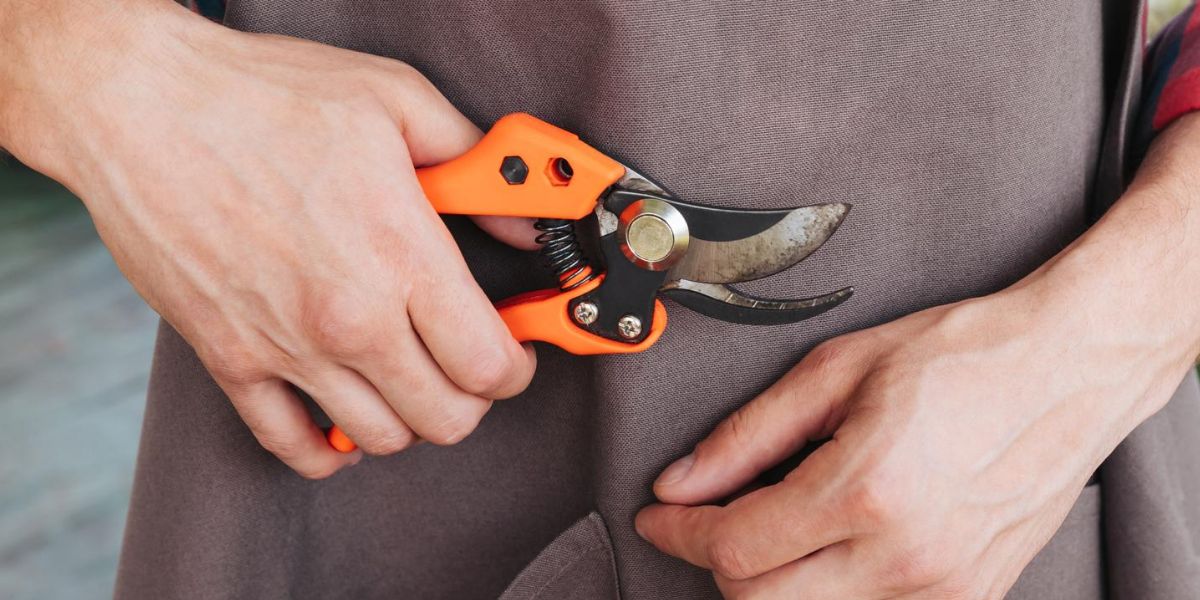
Tools You'll Need: A clean, sharp pair of pruning shears or scissors is essential. Make sure your tools are sterilized to prevent the spread of disease.
Identifying What to Prune: Focus on removing these types of growth: Suckers: These are small shoots that grow from the base of the plant or in the crotch between the main stem and branches. They steal energy from the main plant and can create a dense, shaded canopy.
Dead or Dying Leaves and Branches: Remove any foliage that is yellowing, browning, or showing signs of disease. This will improve airflow and prevent problems from spreading.
Overcrowded Branches: Thin out areas where branches are densely packed, blocking sunlight from reaching the interior of the plant.
Lower Leaves Touching the Soil: These leaves are susceptible to fungal diseases and should be removed.
A Step-by-Step Guide to Pruning for Sunlight
1.Start with a Clean Slate: Inspect your chili plant thoroughly and remove any dead, damaged, or diseased foliage.
2.Identify the Main Stems: Determine the main structural stems of your plant. You want to maintain these as they provide the foundation for growth and fruiting.
3.Remove Suckers: Carefully prune away any suckers growing from the base of the plant or in the crotches of branches. Cut them as close to the main stem as possible.
4.Thin Out Overcrowded Areas: Look for areas where branches are crossing or rubbing against each other. Remove the weaker of the two branches to improve airflow and allow more sunlight to penetrate the canopy.
5.Prune for Shape: Aim for an open, airy shape that allows sunlight to reach all parts of the plant. You can selectively prune branches to create a more balanced and symmetrical form.
6.Don't Overdo It: Avoid removing more than one-third of the plant's foliage at any one time. Over-pruning can stress the plant and reduce its overall productivity.
Addressing Sunlight Concerns: Too Much or Too Little? How many hours of sunlight do chili plants need?
Chili plants thrive in full sun, requiring at least 6-8 hours of direct sunlight per day. This is especially critical during the flowering and fruiting stages.
Signs of Insufficient Sunlight
Leggy Growth: Long, stretched stems with sparse leaves. Pale Green Leaves: Lack of chlorophyll due to insufficient light. Few Flowers or Fruits: The plant doesn't have enough energy to produce abundantly. Slow Growth: Overall stunted development.
Signs of Too Much Sunlight (Sunscald)
White or Brown Patches on Leaves: Especially on the upper surfaces. Blistered or Sunken Areas on Fruits: Damage to the developing peppers. Stunted Growth:Plant is stressed and unable to thrive.
Adaptive Strategies for Different Seasons and Growing Environments Summer: In regions with intense summer sun, provide afternoon shade during the hottest hours. This is especially important for young plants or those grown in containers.
Winter: If growing indoors during winter, supplement natural light with grow lights. Place the lights 6-12 inches above the plants and provide 14-16 hours of light per day.
Indoor Growing: Position your chili plants near a south-facing window for maximum sunlight exposure. Rotate the plants regularly to ensure even light distribution.
Outdoor Growing: Choose a location that receives full sun throughout the day. Consider the sun's path and any potential obstructions, such as trees or buildings.
Troubleshooting Common Sunlight Issues Leaf Curl: Can be caused by excessive heat and sunlight. Provide afternoon shade or move the plant to a cooler location.
Yellowing Leaves: Could indicate nutrient deficiency or overwatering, but also insufficient sunlight. Rule out other causes before increasing light exposure.
Stunted Fruit Development: Often a sign of inadequate sunlight. Ensure your plant is receiving at least 6 hours of direct sun per day.
People Also Ask Can I move my chili plant to a sunnier location?
Yes, but do it gradually. Suddenly moving a plant from a shady spot to full sun can cause sunscald. Acclimate the plant over a week or two, increasing its sun exposure each day.
Do all chili varieties need the same amount of sunlight?
Most chili varieties thrive in full sun, but some, like those native to rainforest environments, may tolerate partial shade. Research the specific needs of your chili variety.
Are grow lights as good as natural sunlight?
High-quality grow lights can be an excellent supplement to natural sunlight, especially during winter or in areas with limited sun exposure. Look for full-spectrum LED grow lights that mimic the spectrum of natural sunlight.
Conclusion: Embrace the Sun!
Optimizing sunlight for your chili plants doesn't have to be a daunting task. By understanding their daily light needs, practicing strategic pruning, and being mindful of the signs of too much or too little sun, you can unlock the full potential of your pepper plants. Remember, a little attention to sun management can lead to a healthier, more productive garden and a fiery harvest that you'll be proud to share. So get out there, observe your plants, and let the sunshine do its magic!