
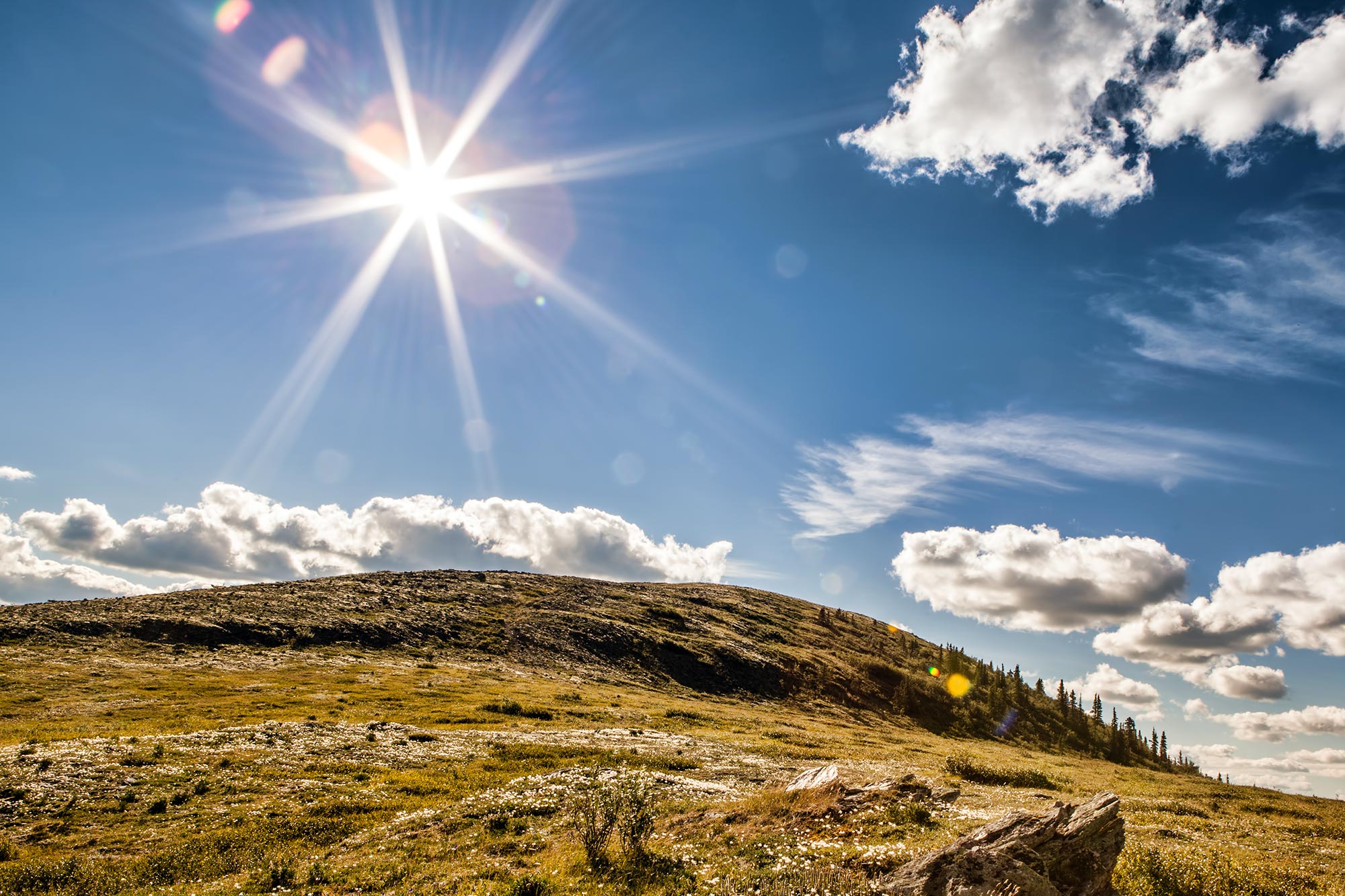
Why do your chili plants look pale and leggy despite your diligent watering schedule? The answer might not be in the soil, but in the sky. For chili gardeners in colder climates, mastering the art of sunlight management is the key to unlocking vibrant growth and a bountiful harvest.
Sunlight is the engine that fuels chili plants. It's the source of energy they need for photosynthesis, the process that converts light into sugars for growth, flowering, and ultimately, those fiery peppers we crave. Without sufficient light, your plants will struggle to thrive, leading to weak stems, fewer leaves, and a disappointing lack of fruit. But fear not! Even with shorter growing seasons and less intense sunshine, you can provide your chili plants with the light they need to flourish.
Understanding Your Chili Plants' Sunlight Needs
The first step is understanding exactly how much sunlight your chili plants require. Most chili varieties need a minimum of 6-8 hours of direct sunlight each day to thrive. This is especially crucial during the flowering and fruiting stages. "Direct sunlight" means the plant is exposed to unfiltered sunlight for that duration – no shadows cast by buildings, trees, or other objects.
Maximizing Sunlight in Your Cold Climate Garden
In colder regions, maximizing every ray of sunshine is essential. Here are some actionable tips to help your chili plants soak up as much light as possible:
1.Strategic Garden Positioning: Choose the sunniest spot in your garden. Observe your garden throughout the day to identify areas that receive the most direct sunlight. South-facing locations are generally ideal in the Northern Hemisphere.
2.Consider Reflective Surfaces: Utilize reflective surfaces to bounce sunlight onto your plants. White walls, fences, or even strategically placed mirrors can help increase light exposure, especially in areas that receive only partial sun.
3.Start Indoors: Give your chili plants a head start by starting them indoors under grow lights well before the last frost. This allows them to develop a strong root system and build up energy reserves before they face the challenges of the outdoor environment.
4.Choose the Right Varieties: Some chili varieties are more tolerant of lower light conditions than others. Research and select varieties known to perform well in cooler climates or those with shorter growing seasons.
5.Pruning and Spacing: Proper pruning encourages airflow and allows sunlight to penetrate the inner parts of the plant. Space your plants adequately to prevent them from shading each other.
6.Mobile Gardening: Use containers! Pots allow you to move your chili plants to the sunniest spots throughout the day, optimizing their light exposure as the sun moves.
7.Row Covers: Transparent row covers can help trap heat and increase light intensity around your plants, especially during cooler spring and fall days.
8.Harness the Power of Grow Lights: When natural sunlight is limited, supplement with grow lights. Full-spectrum LED grow lights are energy-efficient and provide the necessary light spectrum for healthy chili plant growth. Position the lights 6-12 inches above the plants and adjust as they grow.
Troubleshooting Sunlight Problems: Signs of Too Much or Too Little Light
Even with careful planning, your chili plants might still experience issues related to sunlight exposure. Here's how to identify and address the most common problems: Not Enough Sunlight (Etiolation):
Symptoms: Pale, leggy growth; long internodes (the space between leaves); small, yellowing leaves; failure to flower or fruit.
Solutions: Move the plant to a sunnier location, supplement with grow lights, prune surrounding foliage to improve light penetration.
Too Much Sunlight (Sunscald):
Symptoms: White or yellow patches on leaves and peppers; scorched edges on leaves; stunted growth.
Solutions: Provide temporary shade during the hottest part of the day (especially during heatwaves). Use shade cloth or move plants to a location with partial shade. Gradually acclimate plants to direct sunlight if they were previously grown indoors or in a shaded area.
Seasonal Adaptations: Sunlight Strategies for Summer and Winter
The sun's intensity and duration change dramatically throughout the year. Adjust your sunlight management strategies accordingly: Summer:Monitor your plants closely during heatwaves. If the leaves show signs of sunscald, provide shade during the hottest hours (typically between 1 pm and 4 pm). Ensure adequate watering to help plants cope with the stress of intense sunlight and heat.
Winter: For indoor plants, maintain consistent light exposure using grow lights. Adjust the height and duration of the lights as needed to mimic natural sunlight conditions. Consider overwintering your chili plants indoors to extend the growing season and enjoy peppers for longer. If overwintering, be mindful of humidity levels, especially if using indoor heating.
Indoor Sunlight Management: Making the Most of Limited Space
Growing chili peppers indoors can be a rewarding experience, especially in cold climates. Here's how to optimize sunlight in an indoor environment:
1.Window Placement: Position your chili plants near a south-facing window for maximum sunlight exposure. Rotate the plants regularly to ensure even light distribution on all sides.
2.Grow Lights are Key: As mentioned before, grow lights are essential for indoor chili growing. Choose full-spectrum LED lights to provide the complete range of light wavelengths necessary for healthy growth.
3.Reflective Surfaces: Use reflective materials like white paint or mylar film to bounce light onto your plants and increase overall light intensity.
4.Maintain Adequate Airflow: Good ventilation helps prevent diseases and promotes healthy growth. Use a small fan to circulate air around your plants.
5.Monitor Humidity Levels: Indoor environments can be dry, which can stress chili plants. Use a humidifier or place a tray of water near your plants to increase humidity levels.
People Also Ask: Common Questions About Sunlight and Chili Plants How many hours of sunlight do chili plants need daily?
Most chili varieties require at least 6-8 hours of direct sunlight per day for optimal growth and fruiting. Some varieties may tolerate slightly less, but a minimum of 6 hours is generally recommended.
Can chili plants get too much sun?
Yes, chili plants can suffer from sunscald if exposed to excessive sunlight, especially during heatwaves. Signs of sunscald include white or yellow patches on leaves and peppers, as well as scorched leaf edges. Providing temporary shade can help prevent sunscald.
What is partial shade for chili plants?
Partial shade refers to an area that receives sunlight for part of the day, typically 4-6 hours, with shade during the hottest hours of the afternoon. While chili plants prefer full sun, some varieties can tolerate partial shade, especially in hotter climates.
How do I harden off my chili plants before transplanting them outdoors?
"Hardening off" is a crucial process to gradually acclimate indoor-grown plants to outdoor conditions. Start by placing your plants outdoors in a sheltered location for a few hours each day, gradually increasing the duration over a week or two. This allows them to adjust to the stronger sunlight, wind, and temperature fluctuations.
What kind of grow lights are best for chili plants?
Full-spectrum LED grow lights are the most energy-efficient and effective option for chili plants. They provide the complete range of light wavelengths necessary for photosynthesis and healthy growth.
Can I use fluorescent lights for chili plants?
Fluorescent lights can be used, but they are less efficient than LED grow lights. If using fluorescent lights, choose "cool white" or "daylight" bulbs, which provide a broader spectrum of light. Keep the lights close to the plants, as fluorescent lights are less intense than LED lights.
The path to a thriving chili garden in a cold climate might seem challenging, but with a few adjustments to your approach, you can harness the power of the sun to create a vibrant and productive garden. By understanding your chili plants' sunlight needs, implementing strategic planting techniques, and adapting to seasonal changes, you'll be well on your way to harvesting a bountiful crop of delicious, homegrown peppers. Don't be afraid to experiment, observe your plants closely, and adjust your approach as needed. You've got this!