
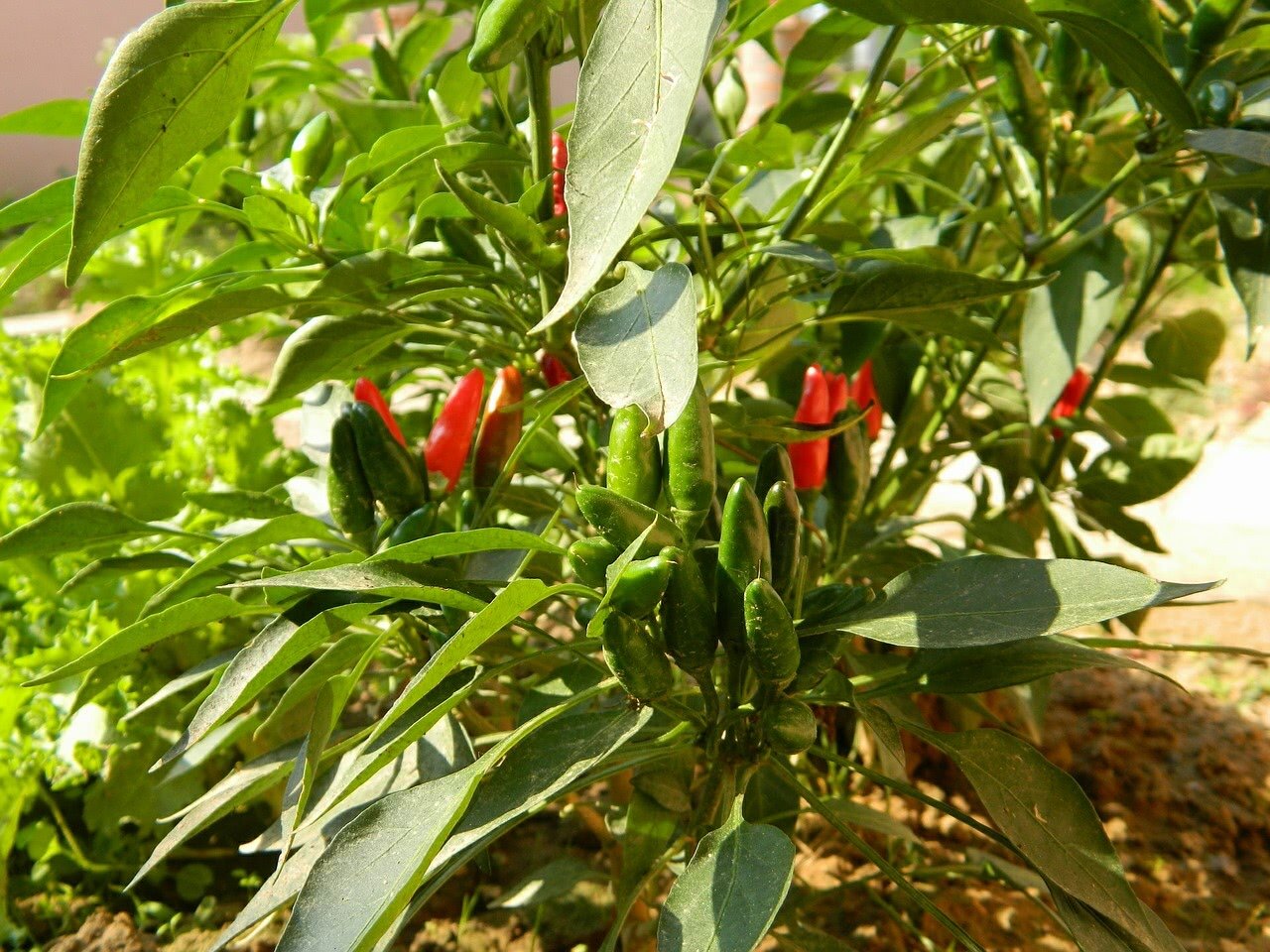
Why do your chili plants look spindly, produce few peppers, or just seem…blah? You’re watering regularly, fertilizing thoughtfully, but they’re still not thriving. The culprit might be simpler than you think: sunlight. Proper sun exposure is absolutely vital for healthy chili pepper plants and abundant harvests.
Sunlight is the engine that drives chili plant growth. Through photosynthesis, plants convert light energy into the sugars they need to build leaves, stems, roots, and, most importantly, those delicious, fiery fruits we crave. Without adequate light, this process sputters, leading to weakened plants and a disappointing pepper harvest. Think of it like trying to run a car on fumes; it might move, but it won't get you very far.
What Happens When Chili Plants Miss Out on Their Daily Dose of Sunshine?
The effects of insufficient light exposure on chili plants can be quite dramatic, impacting everything from their physical appearance to their pepper production. Here's a breakdown of what you might observe: Leggy Growth:Plants will stretch towards any available light source, resulting in long, thin stems and sparse foliage. This is because the plant is desperately trying to reach more light, prioritizing stem growth over overall health and pepper production.
Pale or Yellowing Leaves (Chlorosis): Sunlight is essential for chlorophyll production, the pigment that gives leaves their green color and allows them to photosynthesize. Without enough light, chlorophyll production slows down, causing leaves to turn pale green or even yellow.
Reduced Flowering and Fruiting: The most obvious consequence is a lack of flowers and, therefore, fewer chili peppers. Even if flowers do appear, they may drop off prematurely due to the plant's inability to support fruit development.
Small Pepper Size: If the plant manages to produce peppers, they will likely be smaller and less vibrant in color than peppers grown under optimal sunlight conditions.
Weakened Immune System: Sunlight plays a crucial role in strengthening a plant's natural defenses. Lack of light weakens the plant, making it more susceptible to pests and diseases. You might notice an increase in aphids, whiteflies, or fungal infections.
Slowed Growth Rate: Overall growth will be stunted, and the plant will take longer to mature and produce peppers. This can be particularly frustrating if you're trying to get a harvest before the end of the growing season.
How Many Hours of Sunlight DoChili Plants Need?
Chili plants are sun-loving creatures and thrive infull sun. This means they need at least 6-8 hours of direct sunlight per dayto grow vigorously and produce a bountiful harvest. The more sunlight they receive, the better, particularly when they are setting fruit.
Ideal Conditions:8+ hours of direct sunlight, especially during the hottest part of the day.
Acceptable Minimum: 6 hours of direct sunlight. You might still get a decent harvest, but the plants may not be as productive.
Anything Less: Below 6 hours of direct sunlight will likely result in the problems mentioned above – leggy growth, pale leaves, and reduced pepper production.
Troubleshooting Sunlight Issues: Spotting the Signs and Taking Action
It's not always easy to know if your chili plants are getting the right amount of light. Here's how to diagnose potential problems and take corrective action:Signs of Not Enough Sunlight:
Leggy, stretched growth: This is a very clear indicator. Pale green or yellowing leaves: Especially on the lower parts of the plant. Few flowers or flowers dropping off: Before setting fruit. Slow or stunted growth: Compared to other plants of the same variety. Plant leaning noticeably towards a light source:Indicating it's struggling to find adequate light.
Solution
Relocate your plant: Move it to a sunnier location in your garden or on your patio. Prune surrounding plants: If other plants are casting shade, trim them back to allow more sunlight to reach your chili plants. Use reflective surfaces: Place mirrors or white surfaces around your plants to bounce sunlight onto them. Consider grow lights: If you're growing indoors or in a location with limited sunlight, supplement with grow lights.
Signs of Too Much Sunlight (Less Common, but Possible)
While chili plants love sun, excessive heat and intense sunlight, especially in very hot climates, can sometimes cause problems.
Sunscald: White or tan patches on the peppers, usually on the side facing the sun. Wilting leaves: Even when the soil is moist. Scorched leaf edges:Brown and crispy edges on the leaves.
Solution
Provide afternoon shade: In extremely hot climates, provide shade during the hottest part of the afternoon (e.g., using shade cloth). Water deeply: Ensure the soil is consistently moist, especially during hot weather. Consider a lighter-colored pot: Dark-colored pots can absorb a lot of heat. Acclimatize gradually: If moving plants from indoors to outdoors, gradually introduce them to direct sunlight over a period of a week or two.
Seasonal and Adaptive Sunlight Management
The sun's intensity and position change throughout the year, so you may need to adjust your approach to sunlight management depending on the season.
Spring: As the days lengthen, gradually introduce your chili plants to more sunlight. Start with a few hours of direct sun and increase the exposure over time.
Summer: Monitor your plants for signs of sunscald, especially during heat waves. Provide afternoon shade if necessary.
Fall: As the days shorten, your plants will naturally receive less sunlight. If you want to extend the growing season, consider using grow lights or moving your plants indoors.
Winter: If you're growing chili plants indoors during the winter, supplemental lighting is essential. Choose full-spectrum LED grow lights for best results.
Indoor Growing: Indoor chili plantsalwaysneed supplemental lighting. South-facing windows provide the most natural light, but even then, grow lights are usually necessary to achieve optimal growth and fruiting. Rotate your plants regularly to ensure even light exposure on all sides.
Outdoor Growing in Cooler Climates: Position your plants in the sunniest spot possible. You might also consider using black plastic mulch to warm the soil and reflect more sunlight onto the plants.
Optimizing Light for Each Stage of Chili Plant Growth
Sunlight needs aren't constant throughout the chili growth cycle. Here's a stage-by-stage breakdown: Seedlings:Seedlings need bright, indirect light. Direct sunlight can scorch their delicate leaves. Use grow lights or place them near a bright window.
Vegetative Growth (Leaf and Stem Development): This stage requires consistent and abundant sunlight to fuel rapid growth. Aim for at least 6-8 hours of direct sunlight per day.
Flowering and Fruiting: Even more light is needed during this stage to support flower and pepper development. Maximize sun exposure and consider using grow lights to supplement natural light.
People Also Ask
Can chili plants grow in partial shade?
While chili plants ideally need full sun (6-8+ hours of direct sunlight), theycantolerate partial shade (4-6 hours of direct sunlight), especially during the hottest part of the day in warmer climates. However, you should expect reduced yields and potentially smaller peppers compared to plants grown in full sun. Partial shade is better than no sun at all, but it's not the ideal scenario for optimal pepper production.
What kind of grow lights are best for chili plants?
Full-spectrum LED grow lights are generally considered the best option for chili plants. They provide a balanced spectrum of light that mimics natural sunlight, promoting healthy growth and pepper production. High-Pressure Sodium (HPS) lights are also effective, but they consume more energy and generate more heat.
How do I know if my grow lights are too close to my chili plants?
Signs that your grow lights are too close include bleached or burned leaves, stunted growth, and dry soil. The ideal distance depends on the type of grow light and the wattage, so consult the manufacturer's instructions. As a general rule, start with the lights further away and gradually move them closer until you see positive growth without any signs of stress. You can also use a light meter to measure the light intensity.
Wrapping It Up: Brighter Days Ahead for Your Chili Plants!
Getting the sunlight right is one of the most fundamental aspects of successful chili pepper growing. By understanding your plants' needs, recognizing the signs of light deficiency or excess, and adapting your care strategies to the season and your growing environment, you'll be well on your way to a vibrant garden and a plentiful harvest of delicious, fiery chilies. Don't be afraid to experiment, observe your plants closely, and adjust your approach as needed. With a little attention and effort, you can create the perfect sunny paradise for your chili plants to thrive. Happy growing!