
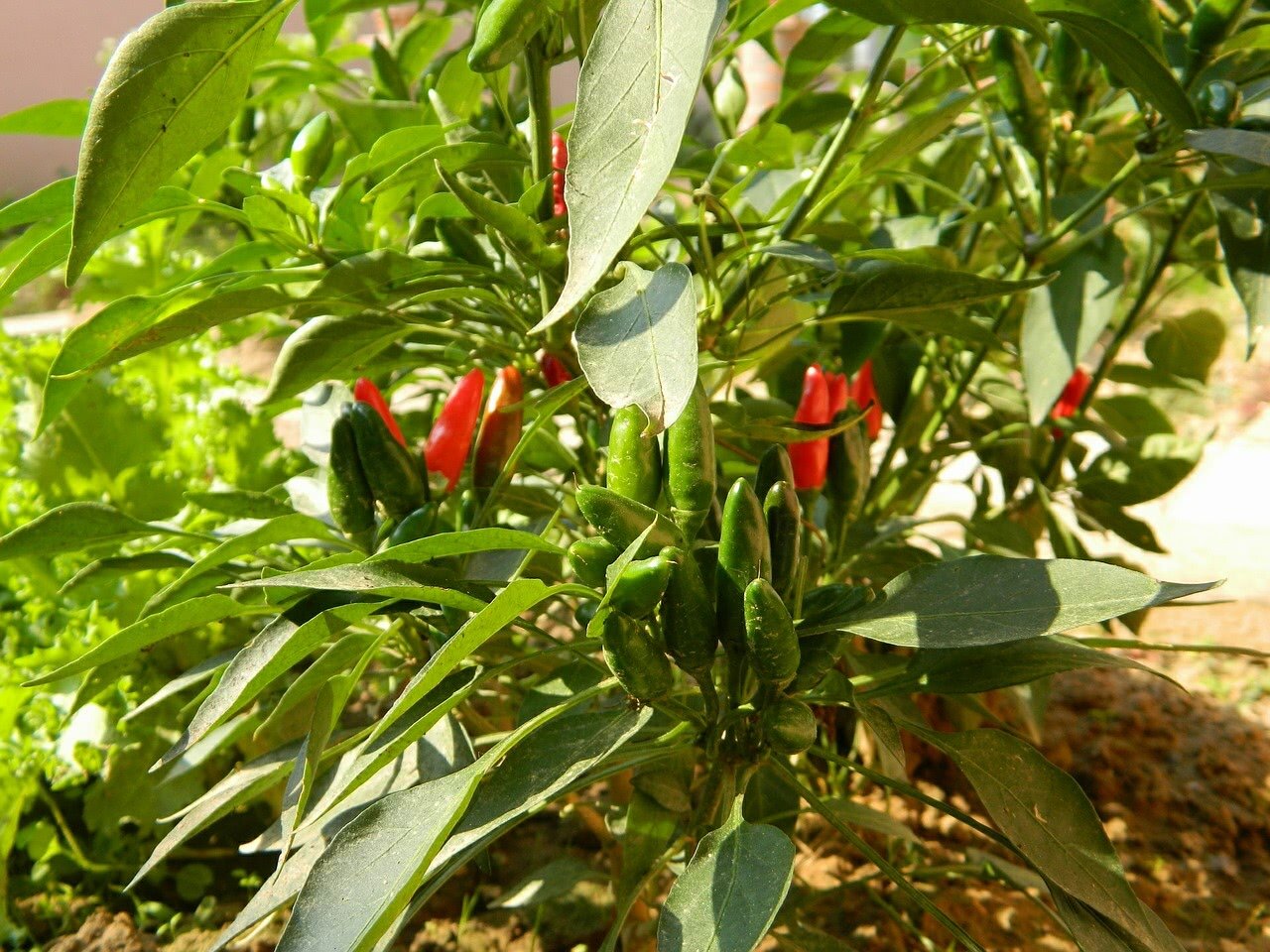
Why do your chili plants look pale and leggy, even though you're diligent with watering and feeding? The secret ingredient for vibrant growth and fiery fruit might just be…sunlight. Getting the sun exposure right for your chili plants throughout the year is key to a bountiful harvest.
Sunlight is the engine that drives chili plant growth. Through photosynthesis, light energy is converted into the sugars that fuel everything from leaf development to the creation of those all-important peppers. Without enough of the right kind of light, your plants will struggle to thrive, producing fewer and smaller chilies, or none at all. Understanding your chili plants' sunlight needs and how they change with the seasons is a crucial step in ensuring gardening success.
How Many Hours of Sunlight Do Chili Plants Need?
Generally, chili plants need at least 6-8 hours of direct sunlight per day to flourish. This "full sun" requirement is particularly important during the flowering and fruiting stages. However, the intensity of the sun and the specific variety of chili you're growing can influence this requirement.
Seedlings: Young chili seedlings, especially those started indoors, need a more gentle introduction to intense sunlight. Start them under indirect light, gradually increasing their exposure over a week or two to prevent sunburn. Mature Plants: Once established, most chili varieties can handle full sun. However, during the hottest parts of summer, providing some afternoon shade can prevent leaf scorch and stress, particularly in regions with intense heat. Indoor Growing:If you're growing chilies indoors, supplemental lighting is essential. Invest in full-spectrum grow lights and position them 6-12 inches above the plants. Aim for 14-16 hours of light per day.
Seasonal Sunlight Adjustments for Chili Plants
The intensity and duration of sunlight change dramatically with the seasons, requiring adjustments to your chili plant care.
Spring: As the days lengthen, gradually increase the amount of sunlight your plants receive. If starting seedlings indoors, begin hardening them off (gradually exposing them to outdoor conditions) before transplanting them into the garden. Summer: This is when your chili plants will typically experience their most vigorous growth. Monitor your plants closely for signs of heat stress (wilting, leaf scorch). If necessary, provide afternoon shade using shade cloth or by relocating container plants. Water deeply and regularly, especially during hot spells. Fall: As the days shorten, your plants will start to slow down. Reduce watering frequency and consider providing extra support for heavily laden branches. If frost is a threat, protect your plants with row covers or move them indoors. Winter: If you're overwintering your chili plants indoors, provide them with ample light using grow lights. Reduce watering significantly and avoid fertilizing. This is a period of dormancy, so don't expect much growth.
Recognizing the Signs: Too Much or Too Little Sun
Being able to recognize the signs of insufficient or excessive sunlight is crucial for maintaining healthy chili plants.
Signs of Insufficient Sunlight
Leggy Growth: Plants stretch towards the light, resulting in long, weak stems and sparse foliage. Pale Leaves: Leaves may appear yellow or light green due to reduced chlorophyll production. Poor Flowering and Fruiting: Plants may produce few or no flowers, and existing flowers may drop prematurely. Slow Growth: Overall growth rate is significantly reduced.
What to do
Relocate plants to a sunnier location.
Supplement with grow lights.
Prune away any weak or unproductive growth to encourage new, stronger shoots.
Signs of Excessive Sunlight
Leaf Scorch: Leaves develop brown, crispy edges or spots, particularly on the upper leaves. Wilting: Plants may wilt even when the soil is moist. Stunted Growth: Growth may slow down or stop completely. Sun Bleaching: Chili peppers can get white or bleached spots due to too much direct sun.
What to do
Provide afternoon shade using shade cloth or relocate container plants to a less sunny location.
Ensure adequate watering to prevent dehydration.
Consider using a reflective mulch to reduce soil temperature.
Chili Varieties and Their Light Needs
While most chili plants thrive in full sun, some varieties are more tolerant of partial shade than others.
Hotter Varieties (e.g., Habaneros, Scotch Bonnets): These often benefit from some afternoon shade, especially in hot climates. They can still produce plenty of heat and flavor with slightly less direct sunlight. Milder Varieties (e.g., Jalapeños, Poblanos): These generally tolerate full sun well, but still benefit from monitoring and potentially providing shade during the hottest parts of the day.
Indoor Chili Growing: Making the Most of Grow Lights
Growing chili plants indoors allows you to control their environment, including their light exposure. Here's how to maximize your success with grow lights: Choose the Right Lights: Full-spectrum LED grow lights are the most energy-efficient and effective option. Position Lights Correctly: Position the lights 6-12 inches above the plants, adjusting as they grow. Set a Timer: Use a timer to provide consistent light for 14-16 hours per day. Monitor Plant Growth: Observe your plants closely for signs of light stress and adjust the intensity or duration of the light as needed. Provide Air Circulation:Good air circulation helps prevent fungal diseases and promotes healthy growth. Use a small fan to circulate air around the plants.
Tips for Maximizing Sunlight Exposure Choose the Right Location: Select a spot in your garden that receives at least 6-8 hours of direct sunlight per day. Consider Orientation: In the Northern Hemisphere, a south-facing location will receive the most sunlight. Prune Overhanging Branches: Trim any trees or shrubs that are blocking sunlight from reaching your chili plants. Use Reflective Surfaces: Position reflective surfaces, such as white walls or aluminum foil, near your plants to bounce sunlight back onto them. Rotate Container Plants: Rotate container plants regularly to ensure that all sides receive equal sunlight.
People Also Ask
Can I grow chili plants in partial shade?
While chili plants prefer full sun, some varieties can tolerate partial shade, particularly in hot climates. Aim for at least 4-6 hours of direct sunlight per day. Monitor your plants closely for signs of insufficient light (leggy growth, pale leaves) and adjust their location or supplement with grow lights if needed.
What is the best time of day for chili plants to get sunlight?
Morning sunlight is generally considered the best for chili plants. It's less intense than afternoon sunlight, which can scorch leaves. Aim for at least 4-6 hours of direct morning sunlight, followed by partial shade in the afternoon if needed.
How do I protect my chili plants from sunburn?
The best way to protect your chili plants from sunburn is to provide afternoon shade during the hottest parts of the day. Use shade cloth, relocate container plants to a less sunny location, or plant them near taller plants that provide natural shade. Ensure that your plants are adequately watered, as well-hydrated plants are less susceptible to sunburn.
Conclusion: Embrace the Sun and Watch Your Chili Plants Thrive
Mastering the art of providing optimal sunlight for your chili plants is a rewarding journey. By understanding their seasonal needs, recognizing the signs of too much or too little sun, and making the necessary adjustments, you can cultivate healthy, productive plants that yield a bountiful harvest of fiery chilies. Don't be afraid to experiment and adapt your approach based on your specific growing conditions and the varieties you're growing. With a little attention and care, you'll be well on your way to becoming a chili-growing expert! Go forth and grow!