
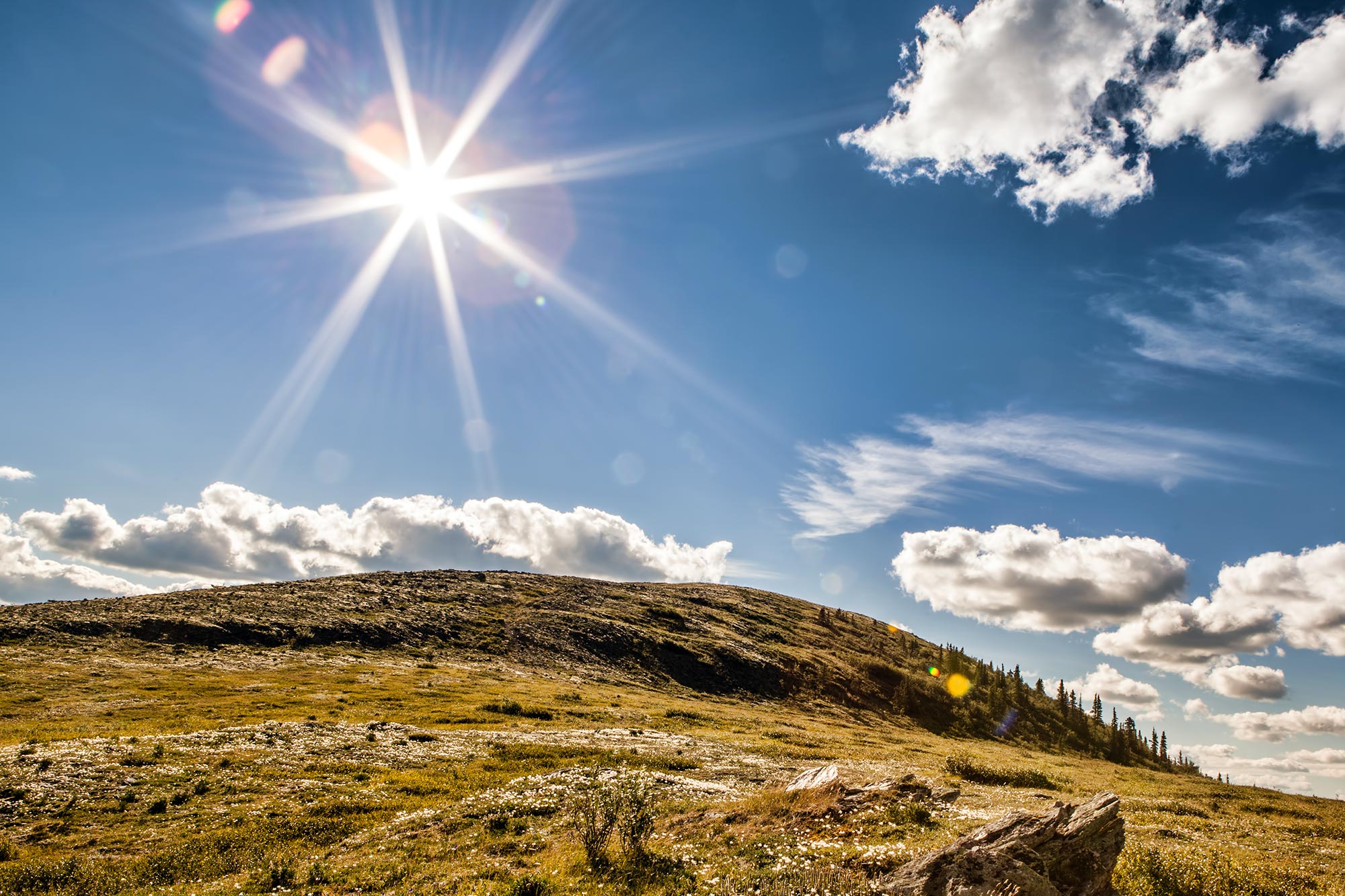
Why do your chili pepper plants seem stunted, producing fewer peppers than you hoped for, despite consistent watering and fertilization? In high-altitude gardens, even diligent care might fall short if sunlight – or the lack thereof – isn’t properly addressed. The unique challenges of growing at elevation demand a focused understanding of how to maximize light exposure for thriving chili plants.
Sunlight is the engine that drives chili pepper growth and fruit production. Through photosynthesis, plants convert light energy into the sugars they need to fuel every process, from root development and leaf expansion to flowering and, most importantly, the development of those flavorful, fiery peppers we crave. Insufficient sunlight leads to weak, leggy plants with reduced yields, while excessive sunlight can cause scorching and stress. At higher altitudes, the intensity of the sun is amplified, making careful management even more critical.
Understanding the specific needs of your chili varieties and adapting your growing practices is essential for a successful high-altitude chili garden. Let’s explore the key considerations.
How Many Hours of Sunlight Do Chili Plants Need?
Generally, chili plants require a minimum of 6-8 hours of direct sunlight per day to thrive. This is a "full sun" requirement. However, at higher altitudes, the sun's intensity is much greater. What might be full sun in a lower altitude location might be overwhelming for your plants. The ideal situation is direct sun for 6-8 hours, but with some afternoon protection during the hottest part of the day.
For seedlings and young plants: Start with gradual exposure to direct sunlight. A sudden transition from a shaded indoor environment to intense outdoor sun can shock them. Begin with a few hours of morning sun and gradually increase the duration over a week or two.
For mature plants: Monitor your plants closely for signs of sunscald (more on that later). If leaves appear bleached or scorched, especially during the hottest part of the day, provide some afternoon shade using shade cloth or by strategically positioning taller plants nearby.
Indoor Growing: Supplement natural sunlight with grow lights. LED grow lights are energy-efficient and provide the specific wavelengths of light that chili plants need. Aim for 14-16 hours of light per day.
Signs of Too Much Sun (Sunscald) and How to Fix It
While chili plants love sunshine, they can get too much of a good thing, especially in the intense conditions of high-altitude gardens. Sunscald is a common problem, manifesting as: White or bleached patches on leaves and peppers: This is the most obvious sign. The affected areas are often papery and dry. Stunted growth: The plant struggles to photosynthesize efficiently, leading to slow growth and reduced yields. Drooping leaves, even with adequate watering:This is a sign of heat stress.
Fixing Sunscald
1.Provide Shade: This is the most immediate solution. Use shade cloth (30-50% shade is usually sufficient), relocate potted plants to a shadier location, or create temporary shade structures using row covers or umbrellas.
2.Water Deeply: Well-hydrated plants are more resilient to heat stress. Water deeply and less frequently, allowing the soil to dry slightly between waterings.
3.Mulch: Applying a layer of organic mulch around the base of the plants helps to retain moisture and regulate soil temperature.
4.Acclimatize Gradually: If you're moving plants outdoors after starting them indoors, harden them off gradually over a week or two. This allows them to adjust to the stronger sunlight and temperature fluctuations.
5.Ensure Proper Ventilation: Good air circulation around the plants helps to dissipate heat and reduce the risk of sunscald. Prune dense foliage to improve airflow.
What to Do If Your Chili Plants Aren't Getting Enough Sunlight
On the other hand, if your chili plants are located in a spot that simply doesn't get enough sunshine, they'll show a different set of symptoms: Leggy growth: The stems become elongated and weak as the plant stretches towards the light. Pale green or yellowing leaves: Insufficient light reduces chlorophyll production, leading to a loss of color. Few or no flowers: Without enough energy, the plant won't produce flowers, which means no peppers. Slow growth: Overall development is significantly slowed down.
Fixing Insufficient Sunlight
1.Relocate the Plants: If possible, move the plants to a sunnier location.
2.Prune Overhanging Branches: Trim back any trees or shrubs that are blocking sunlight.
3.Use Reflective Surfaces: Place reflective materials, such as white boards or aluminum foil, around the plants to bounce sunlight towards them. Be cautious about overheating!
4.Supplement with Grow Lights: If natural sunlight is consistently limited, use grow lights to provide the necessary light energy.
Seasonal Sunlight Adjustments for High-Altitude Gardens
The intensity and duration of sunlight vary throughout the growing season. Adjust your chili pepper care accordingly.
Spring: As the sun strengthens, gradually expose seedlings and young plants to more sunlight. Be prepared to provide shade during occasional heat waves. Summer: Monitor plants closely for signs of sunscald and provide shade as needed, especially during the hottest part of the day. Ensure adequate watering to prevent heat stress. Fall:As the days shorten, maximize sunlight exposure to help peppers ripen before the first frost. Consider using row covers to protect plants from cold snaps.
Sunlight Tips for Indoor Chili Growing
Growing chili plants indoors allows you to control the light environment. Here are some tips for maximizing light exposure: Choose the Right Grow Lights: LED grow lights are the most energy-efficient and provide the specific wavelengths of light that chili plants need for vegetative growth and fruit production. Position Lights Correctly: The distance between the lights and the plants is crucial. Follow the manufacturer's recommendations. Generally, the closer the lights are, the more intense the light. Use a Timer: Set a timer to ensure that your plants receive 14-16 hours of light per day. Rotate Plants Regularly: Rotate plants regularly to ensure that all sides receive equal light exposure.
Choosing the Right Spot in Your Garden
Careful consideration of garden positioning can make a big difference. South-facing locations generally receive the most sunlight. Observe your garden throughout the day to identify areas that receive the most and least sunlight. This will help you determine the best locations for your chili plants. If you have limited sunlight, consider using reflective materials to bounce light towards your plants. White walls or even sheets of aluminum foil can significantly increase light exposure.
Specific Chili Variety Considerations
While all chili plants benefit from ample sunlight, some varieties are more tolerant of partial shade than others. Experiment to see what works best in your specific garden. In general, smaller fruited varieties like Thai peppers and Tabasco peppers tend to tolerate partial shade better than larger bell pepper types. Super-hot varieties like Ghost peppers and Carolina reapers also benefit from some afternoon shade in high-altitude climates.
People Also Ask Can chili plants get sunburned?
Yes, chili plants can absolutely get sunburned, especially in high-altitude environments where the sun's intensity is greater. This is referred to as sunscald and appears as white or bleached patches on leaves and peppers. Protect your plants with shade cloth or by providing afternoon shade during the hottest part of the day.
Is morning sun or afternoon sun better for chili peppers?
Generally, morning sun is considered better for chili peppers. The cooler morning temperatures allow plants to photosynthesize efficiently without the risk of overheating. Afternoon sun can be intense, leading to sunscald, especially in high-altitude gardens. If possible, provide some afternoon shade.
Do chili plants need direct sunlight or indirect sunlight?
Chili plants thrive in direct sunlight but can tolerate some indirect sunlight. Ideally, they need at least 6-8 hours of direct sunlight per day. However, at higher altitudes, the intensity of the sun is amplified, so some afternoon protection is beneficial.
Can I use a regular light bulb instead of a grow light for chili plants?
While a regular light bulb will provide some light, it's not a substitute for a grow light. Regular light bulbs don't provide the specific wavelengths of light that chili plants need for optimal growth and fruit production. LED grow lights are the most energy-efficient and effective option for indoor chili growing.
With a little attention and effort, you can successfully manage sunlight exposure and cultivate thriving chili pepper plants, even in the challenging conditions of a high-altitude garden. Don't be afraid to experiment and adjust your practices based on your observations. The reward of homegrown, fiery peppers is well worth the effort! You've got this – happy growing!